
Teutonic Fest – Knights & Tournaments
Intro
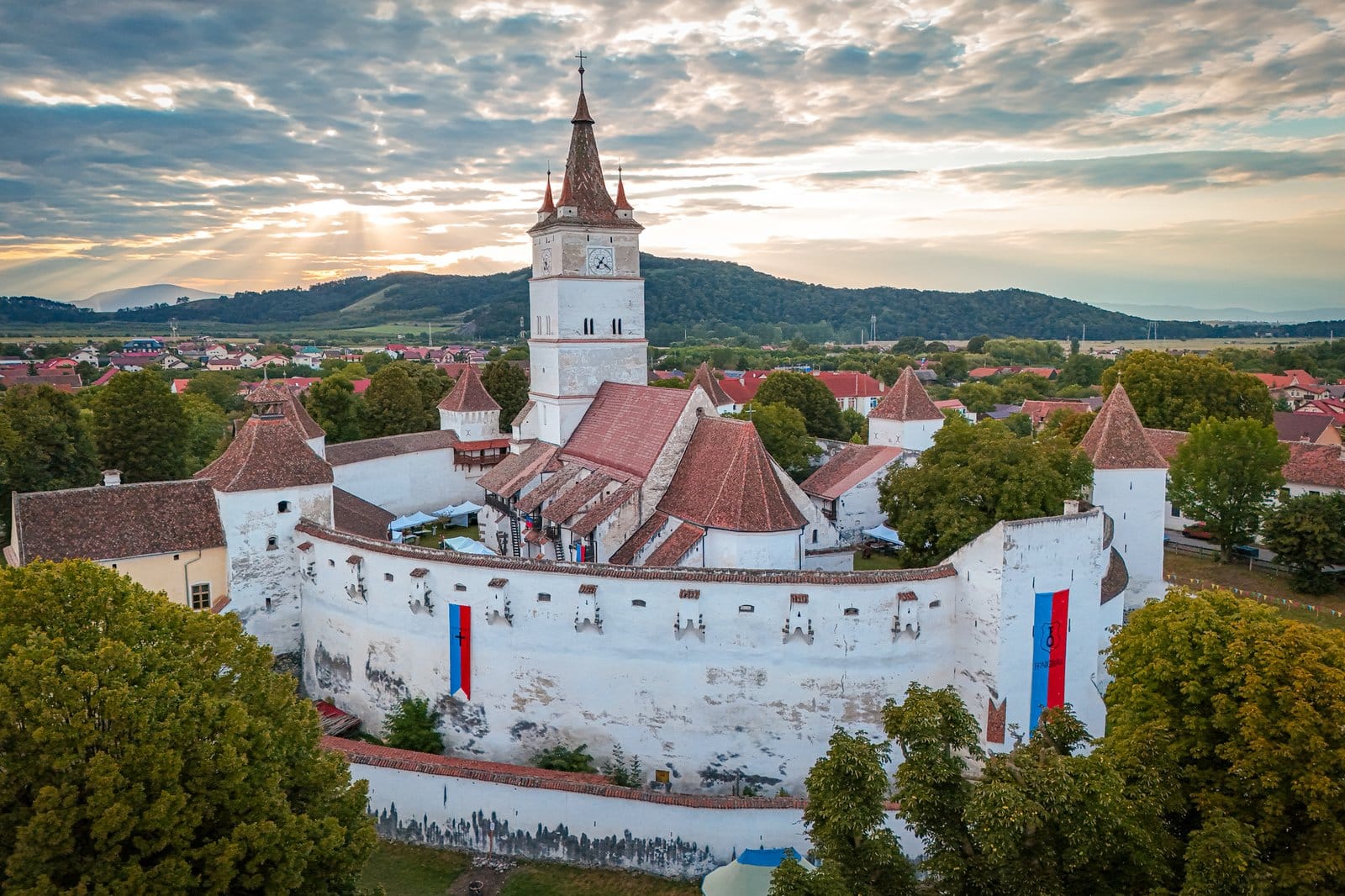
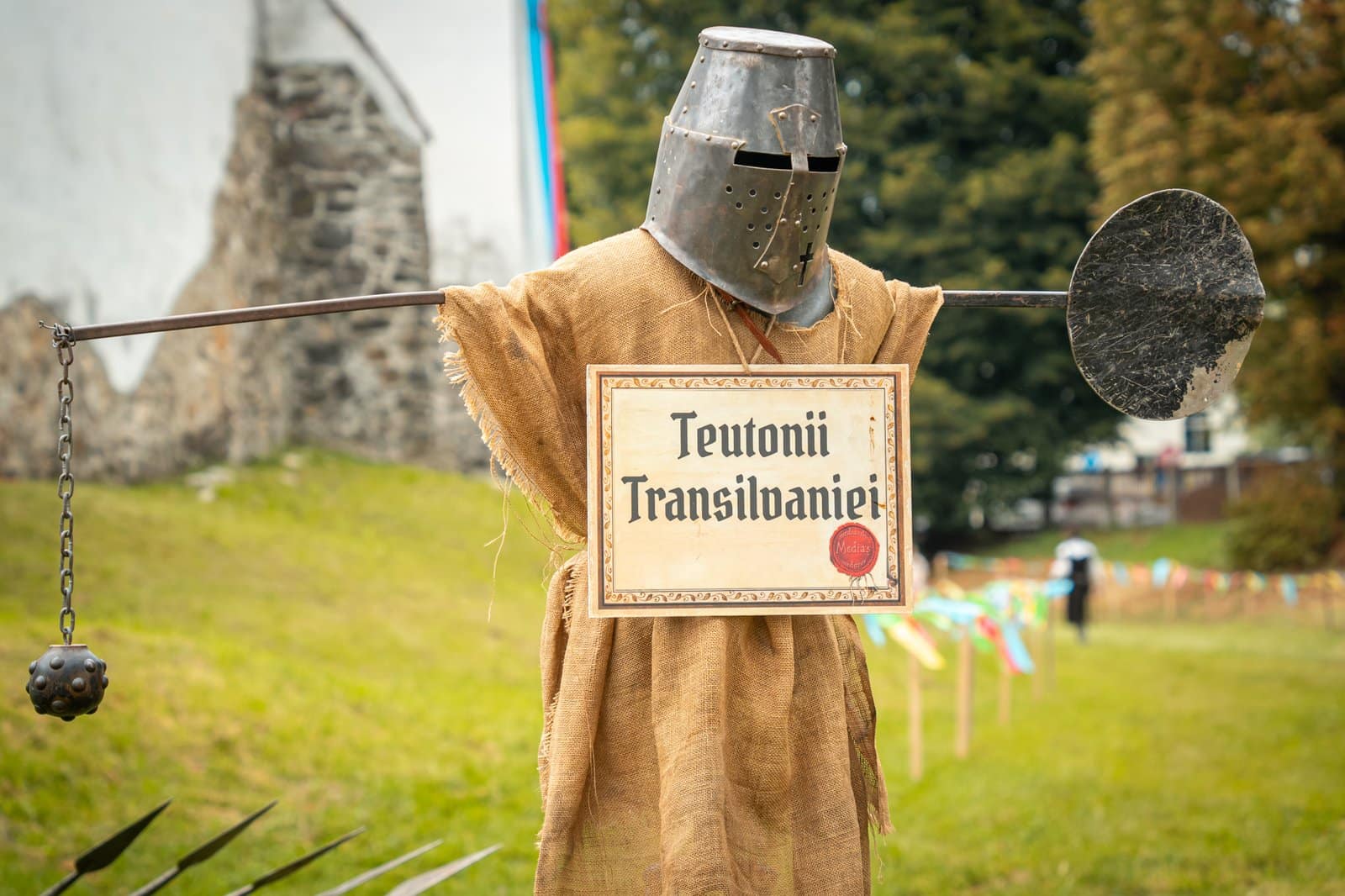
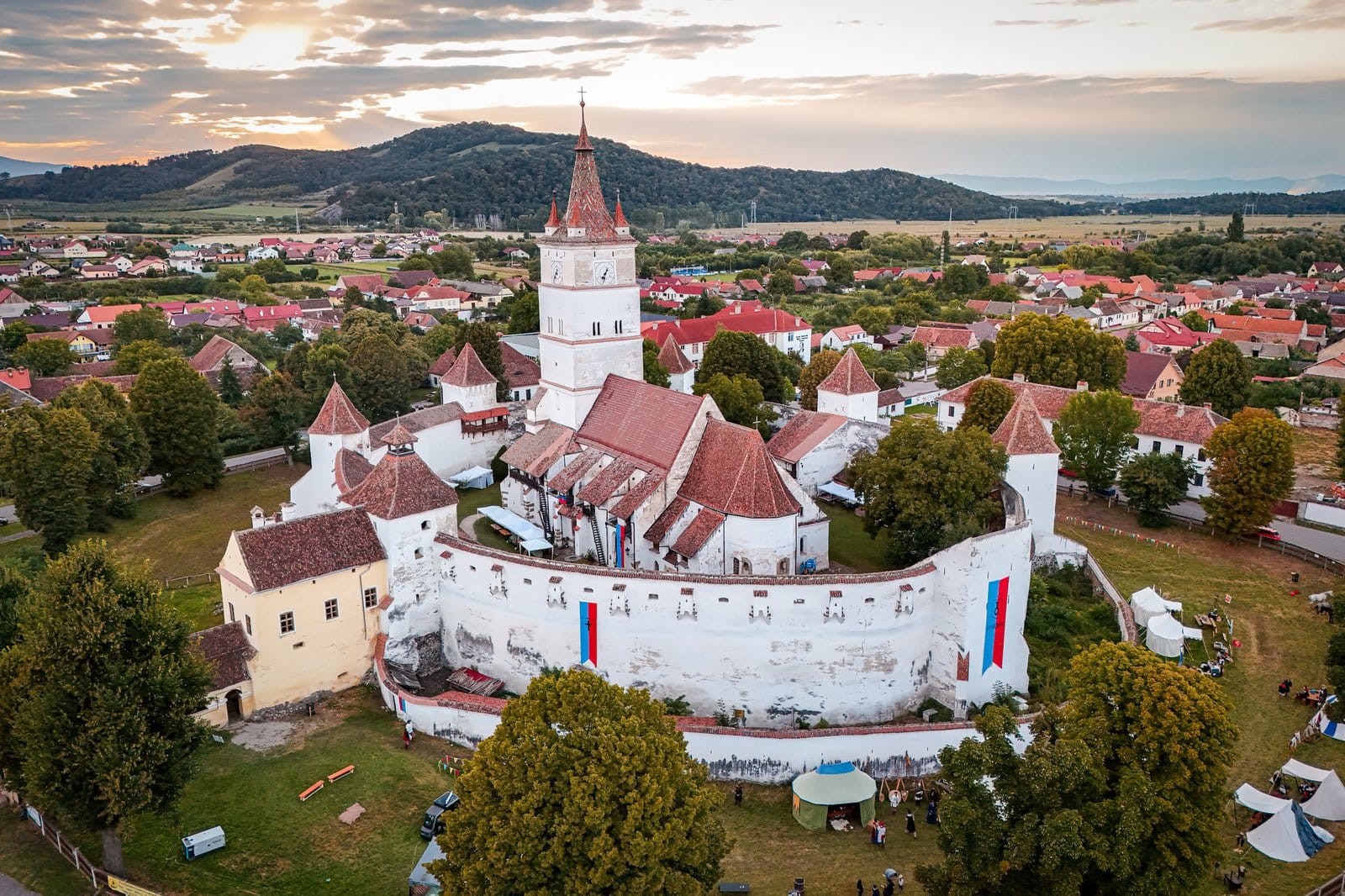
The Teutonic Fest is a medieval heritage festival held inside the 13th-century Hărman Fortified Church near Brașov, Romania. It commemorates the cultural and military legacy of the Teutonic Order, which was invited by the Hungarian Crown in the early 13th century to defend the kingdom's southeastern frontier against Cuman invasions.
The event commemorates these historical origins and the site's 800-year evolution while also raising funds for the conservation of the fortified church.
Event Highlights
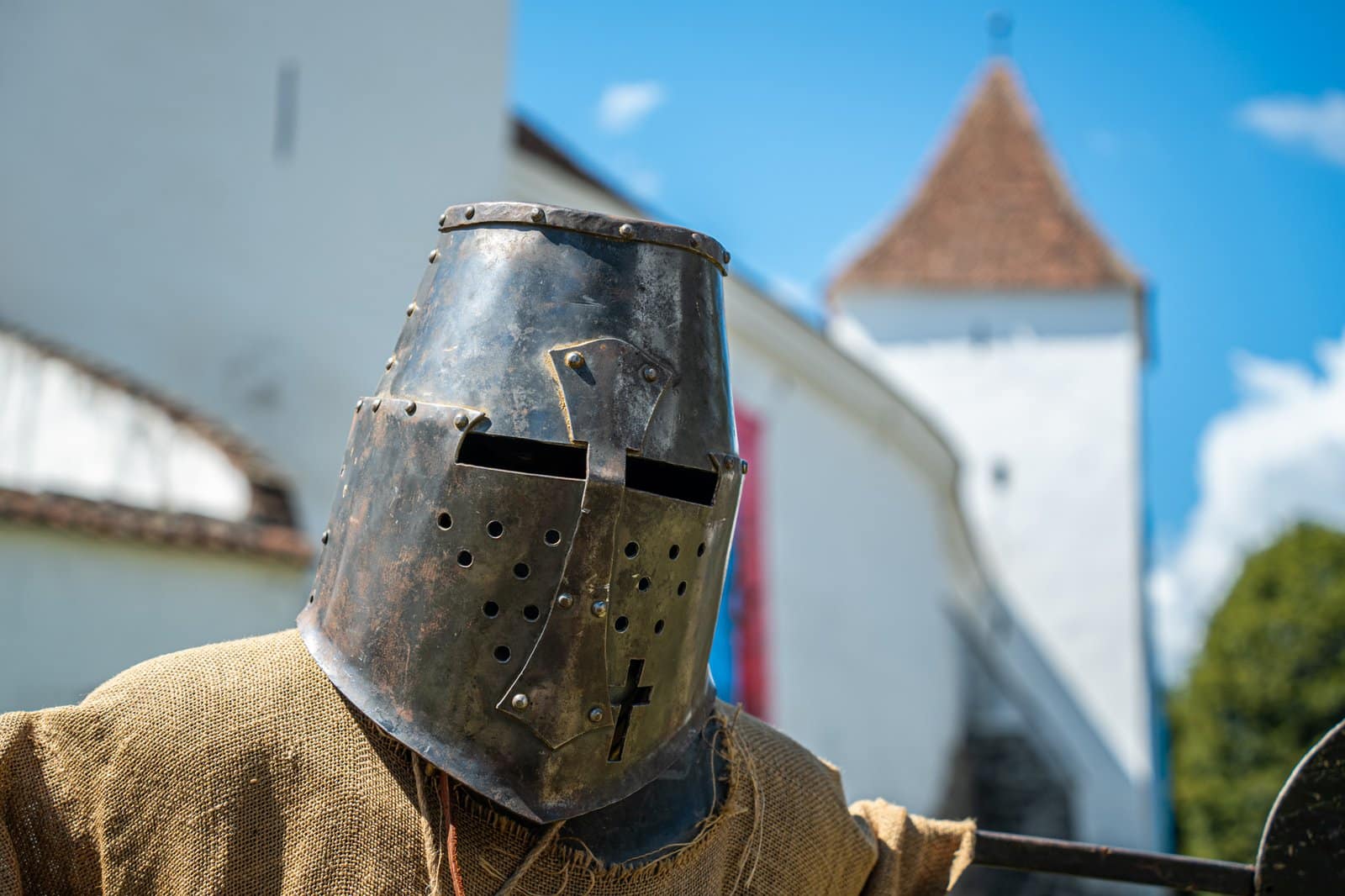
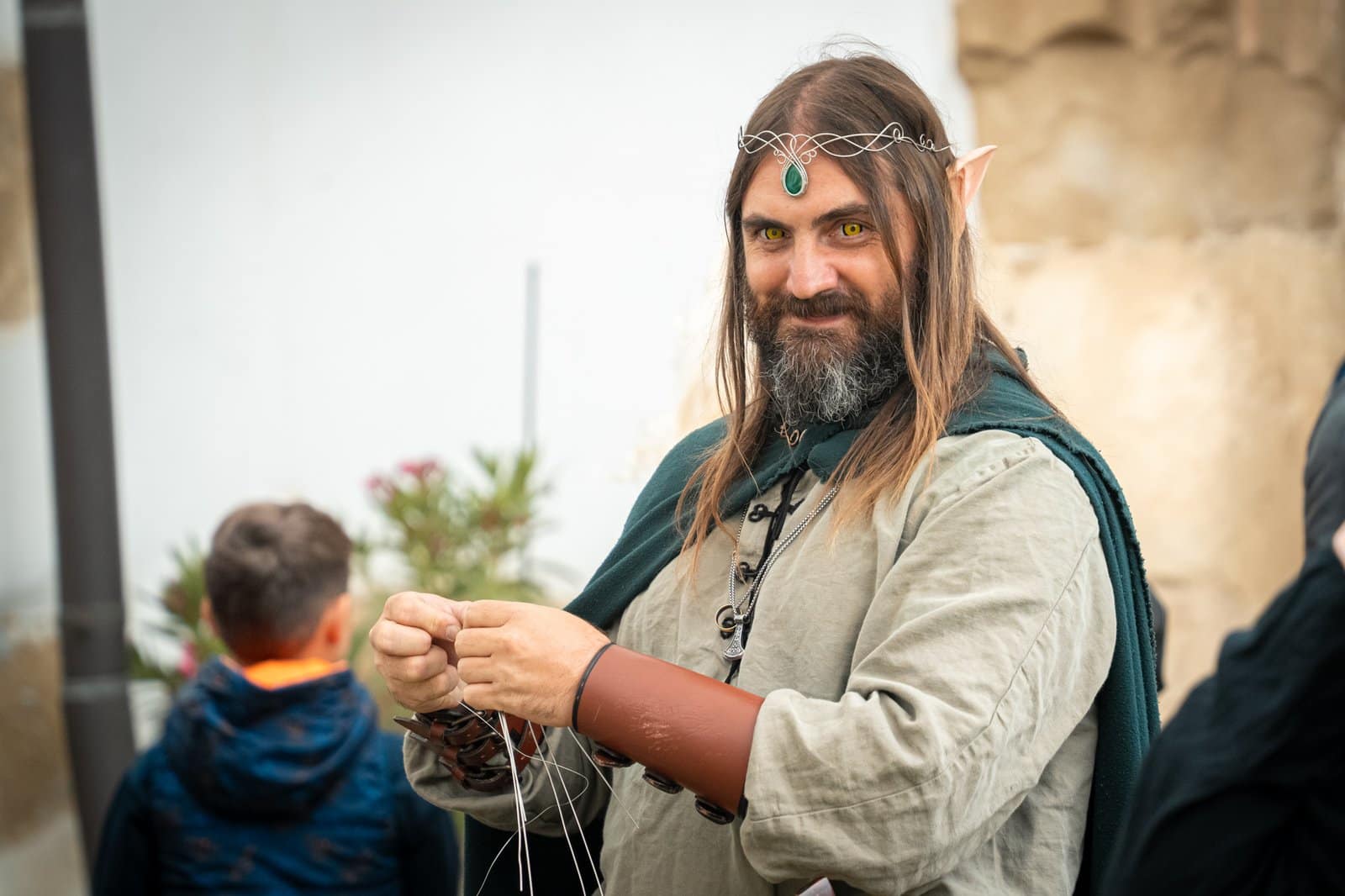
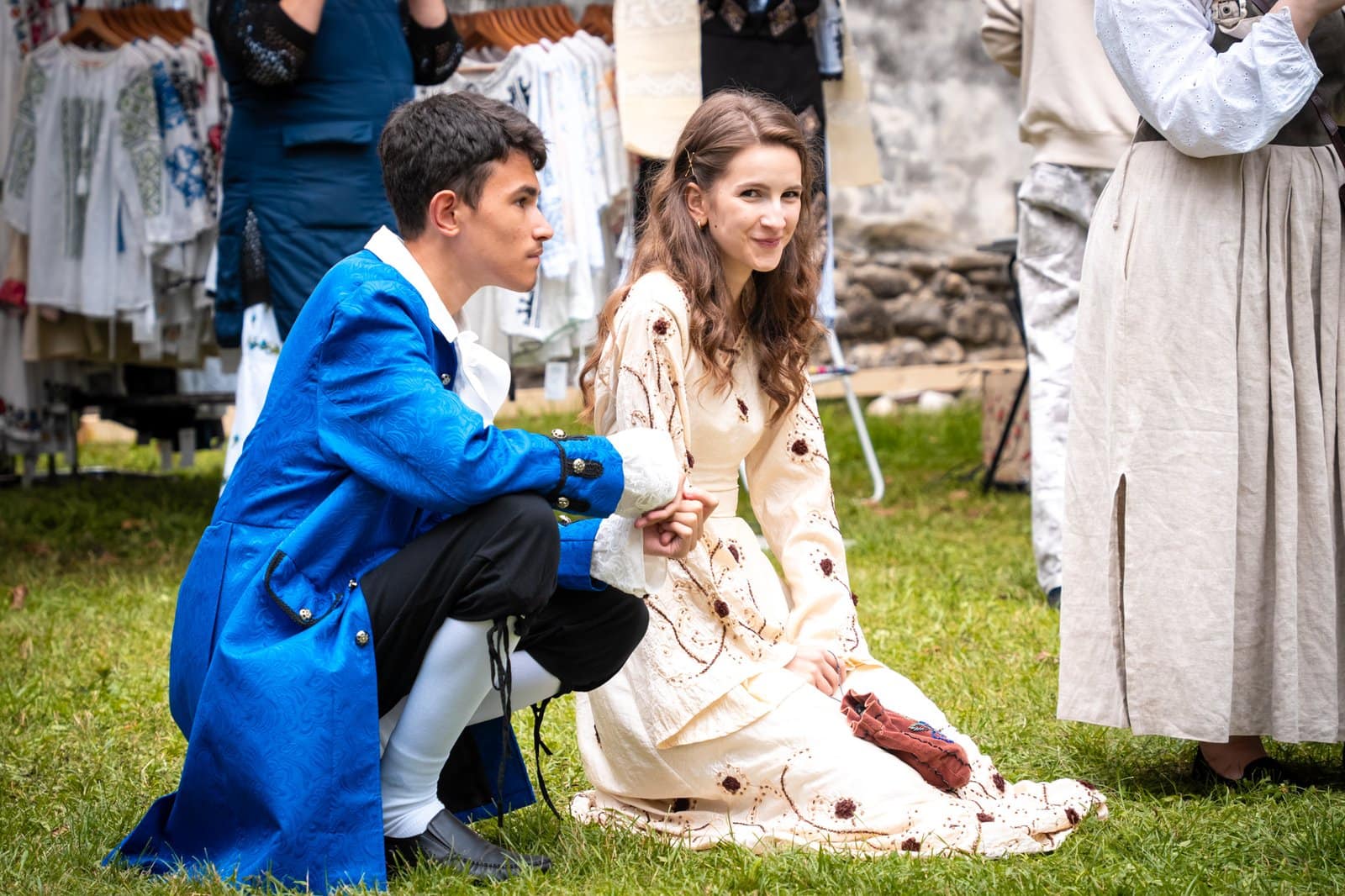
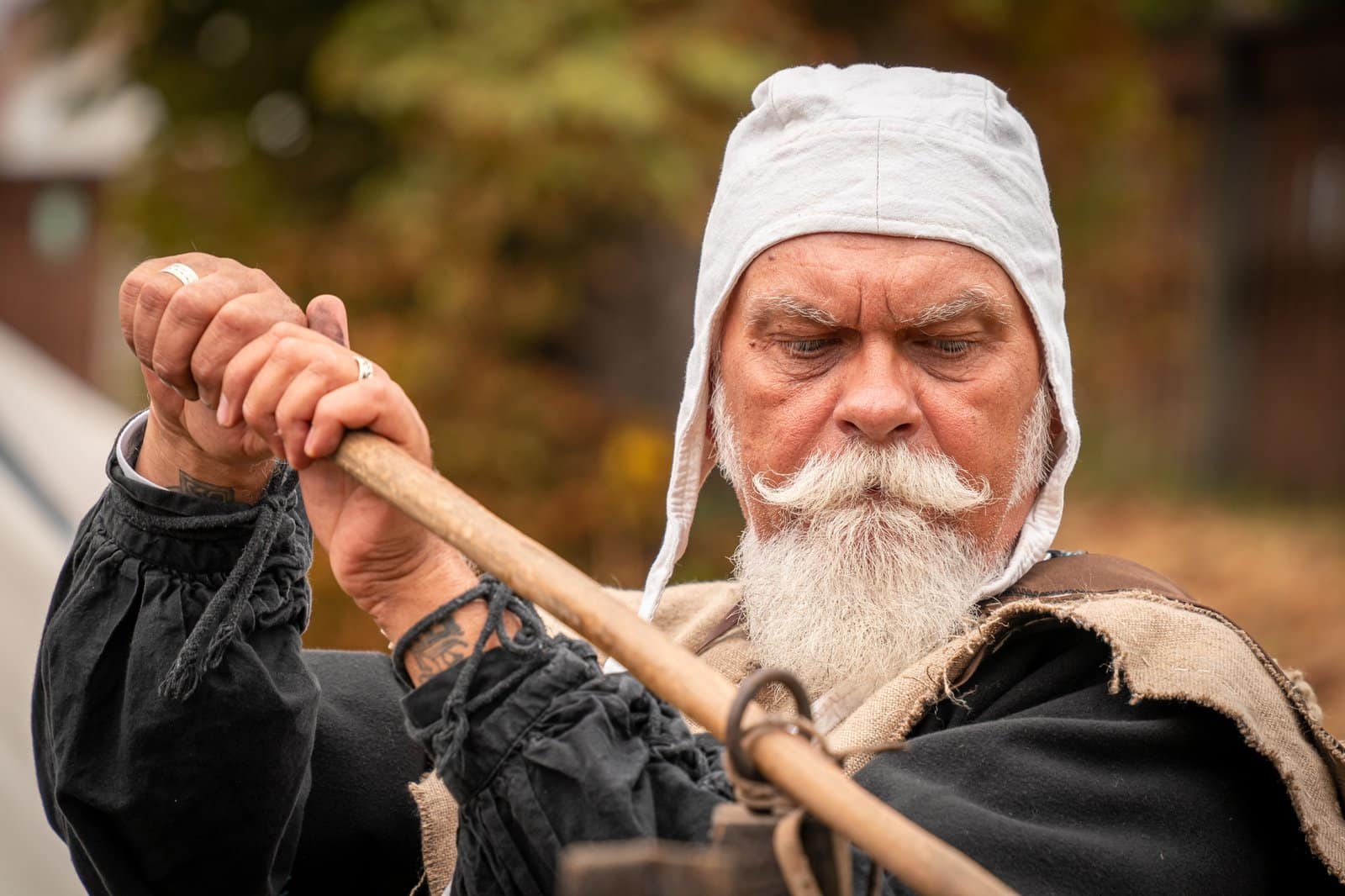
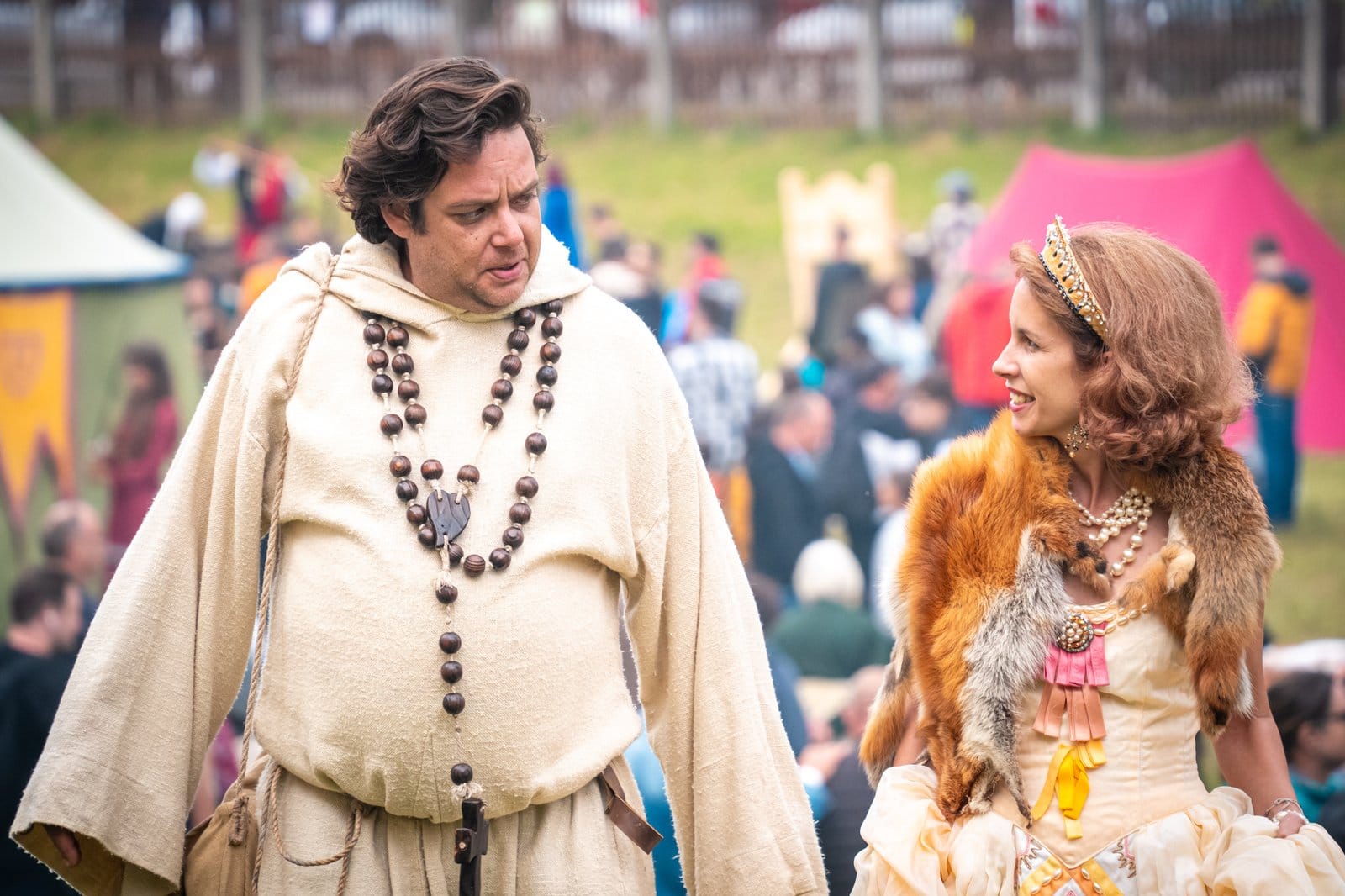
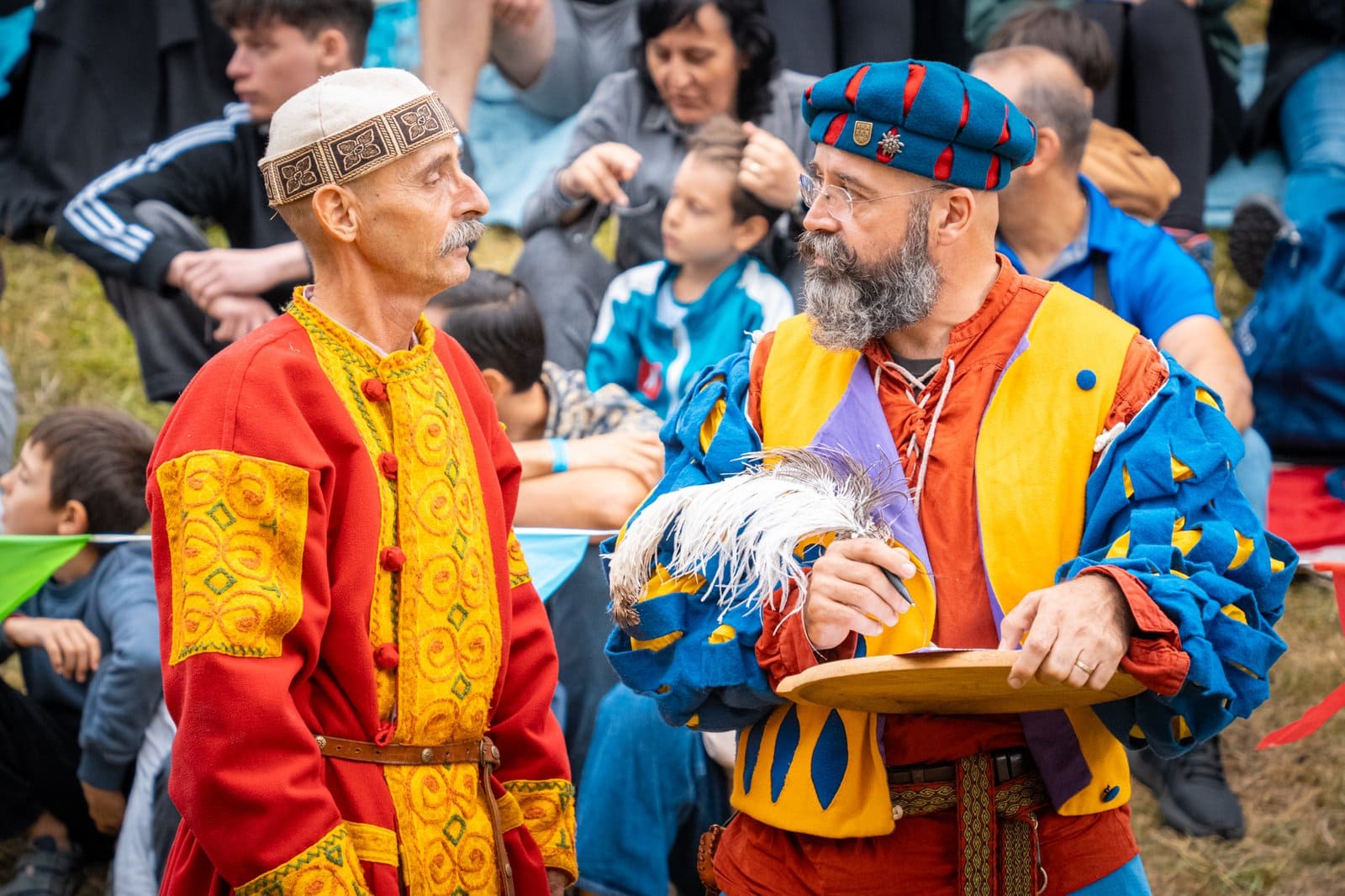
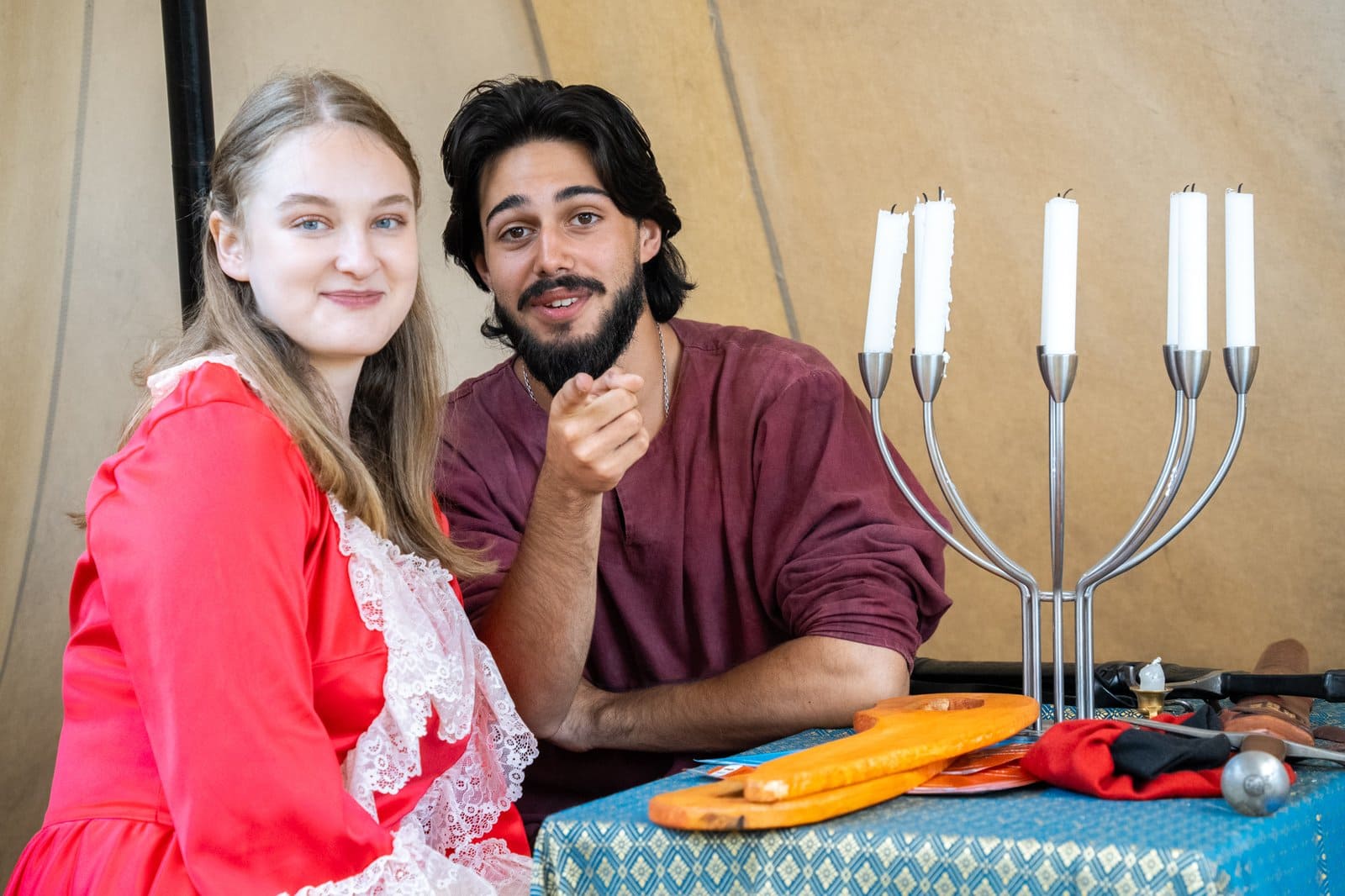
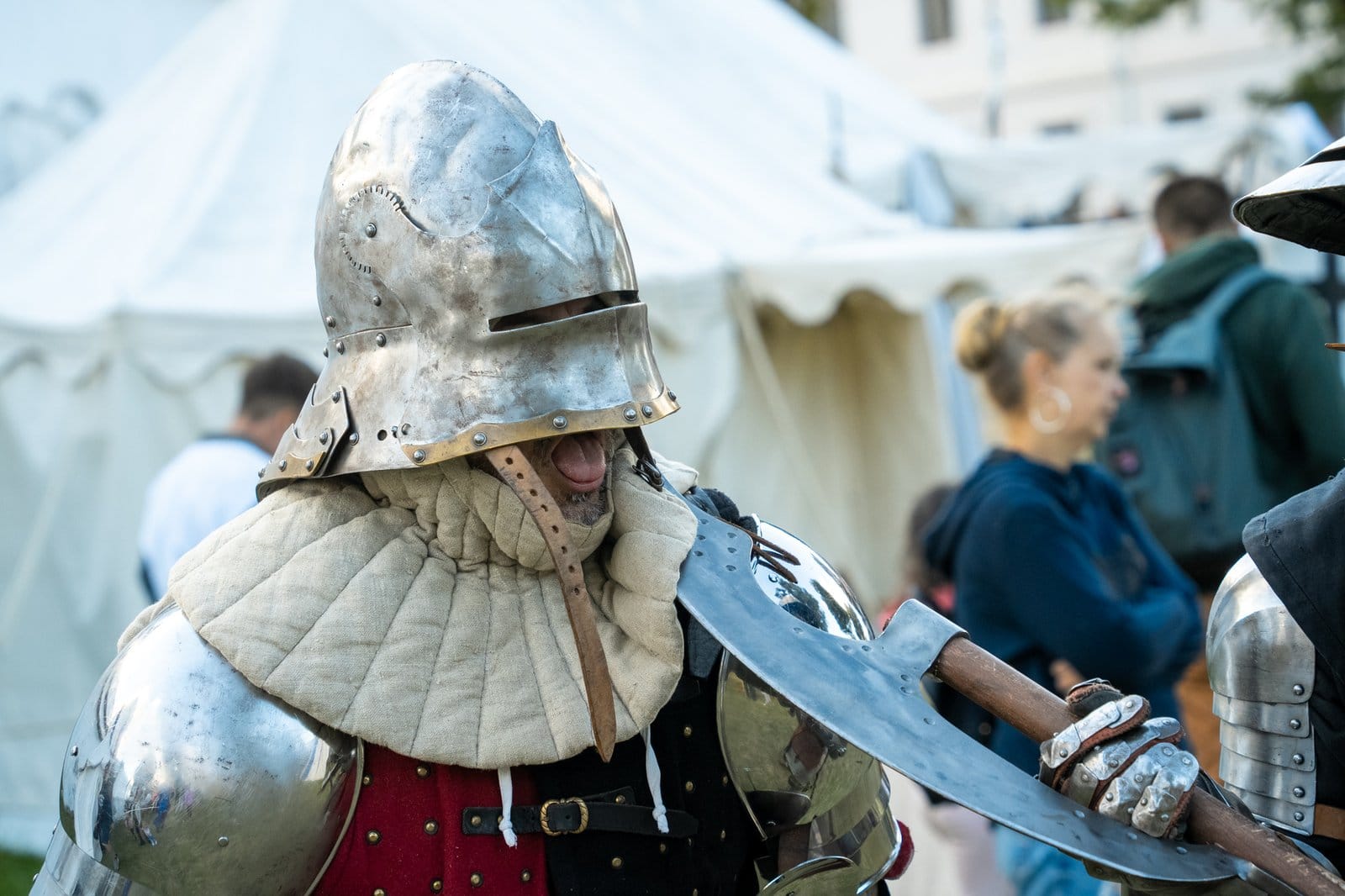
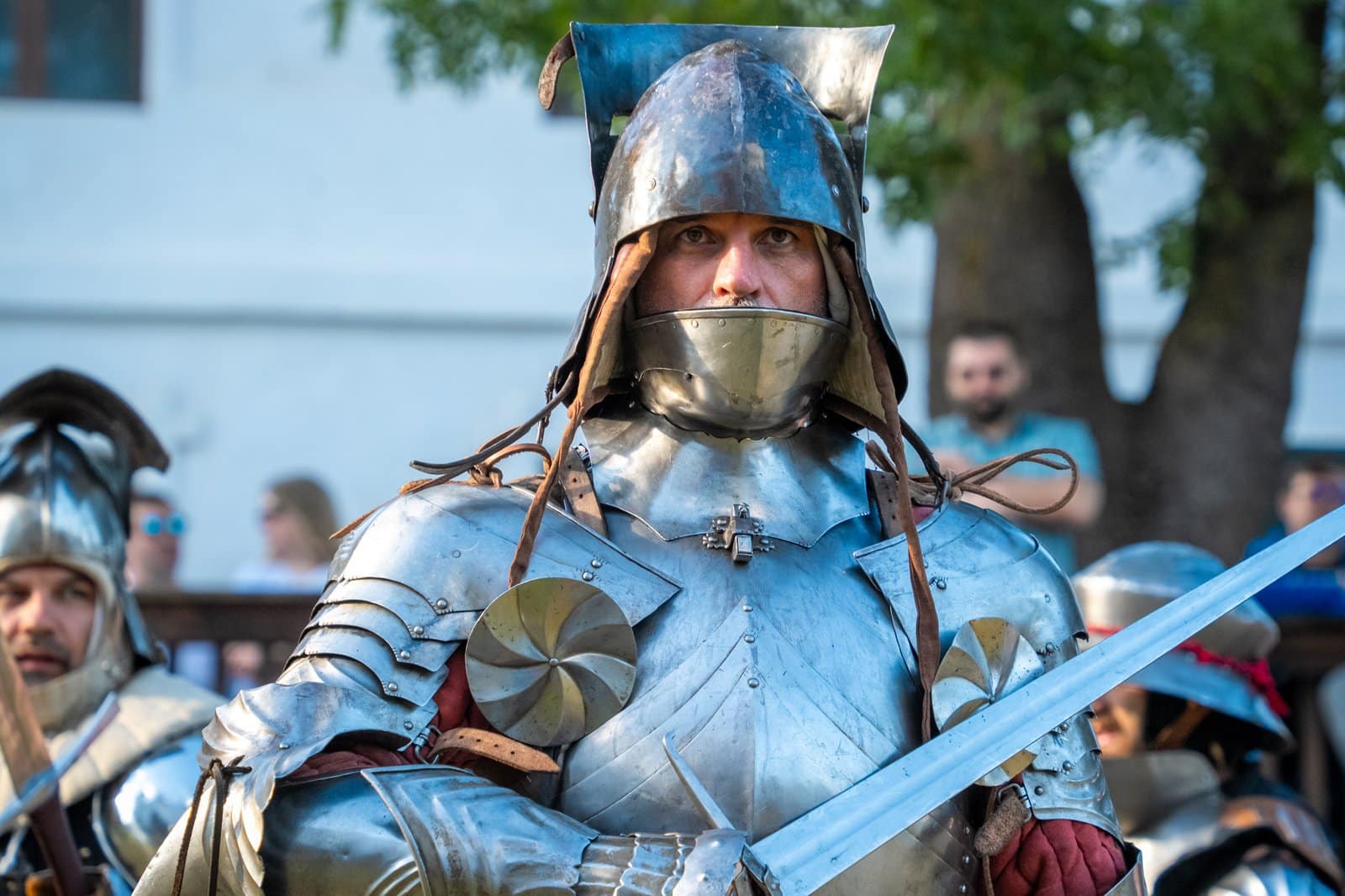
Teutonic Fest honors the legacy of the Teutonic Knights by bringing together historical reenactors, craftsmen, musicians, and local producers to recreate the various aspects of medieval frontier life.
The festival's most popular attractions include:
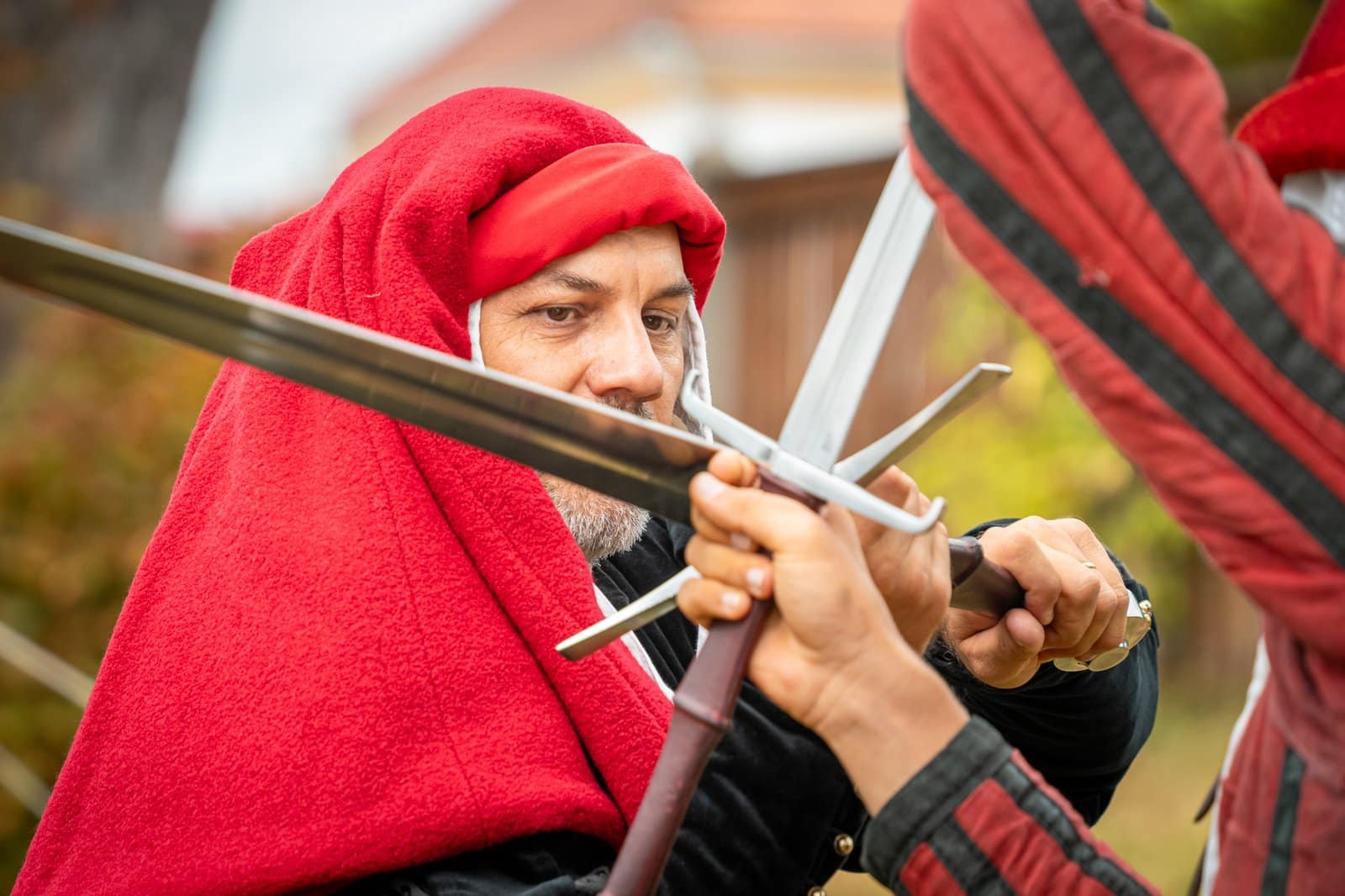
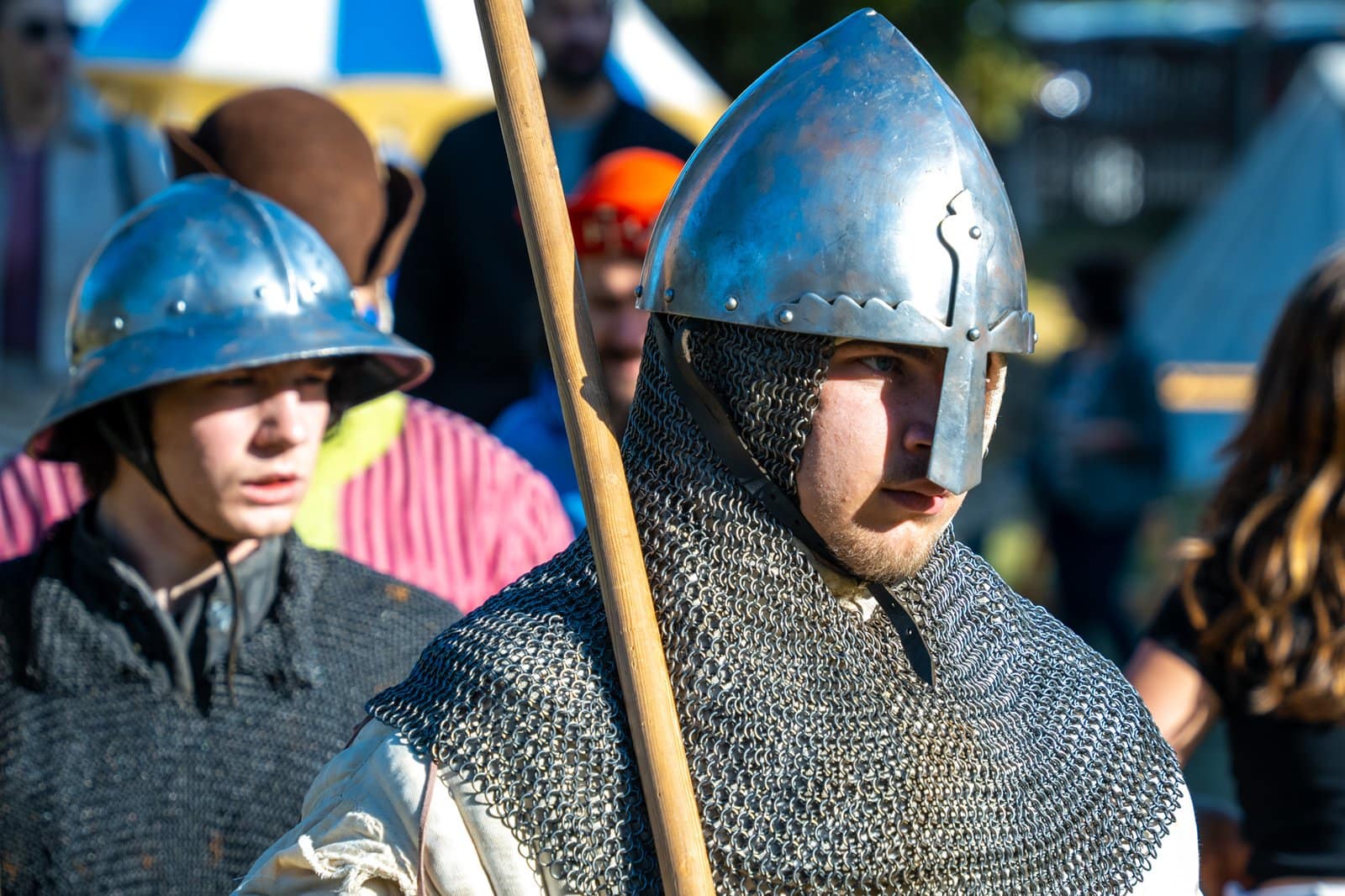
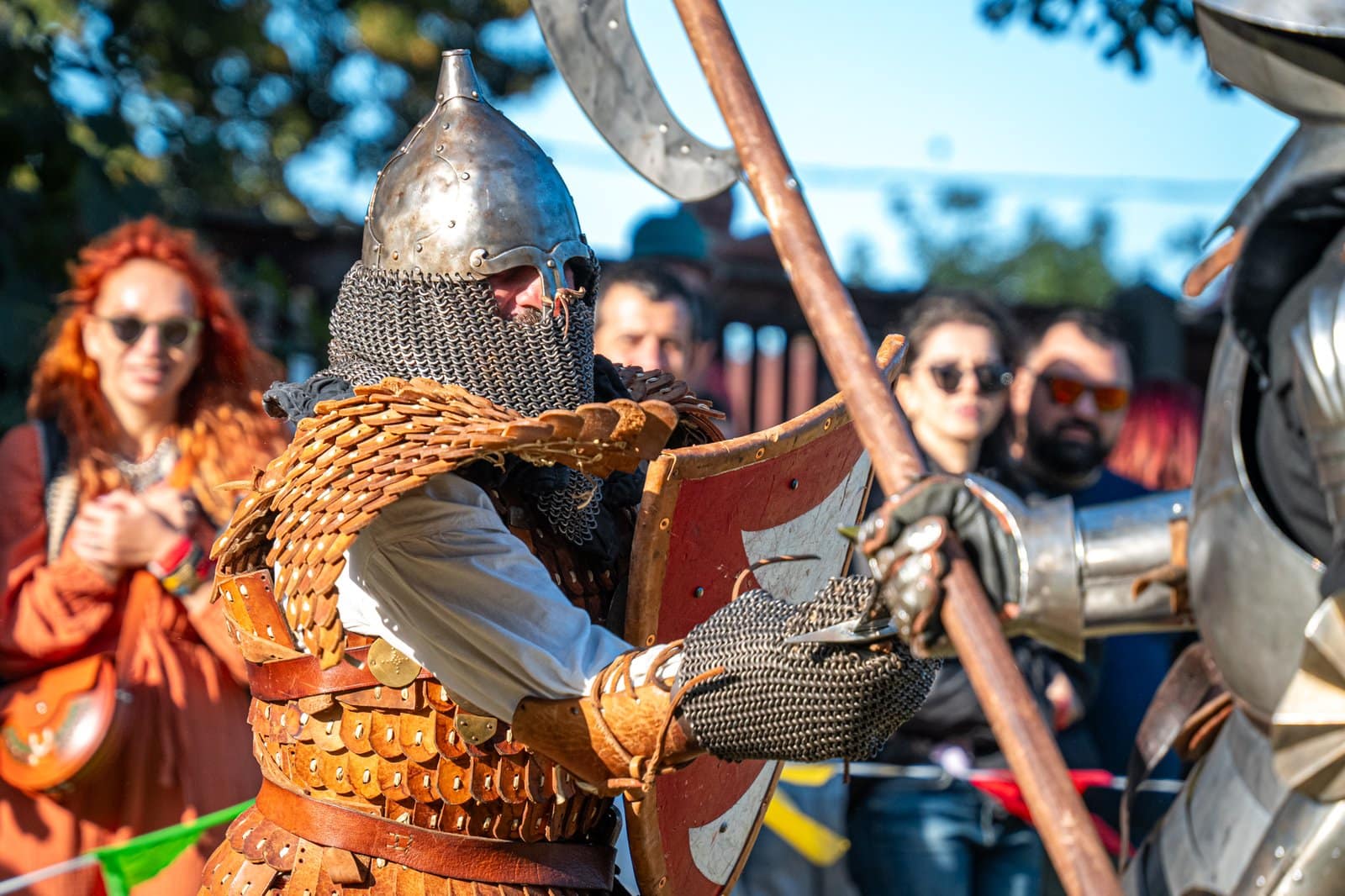
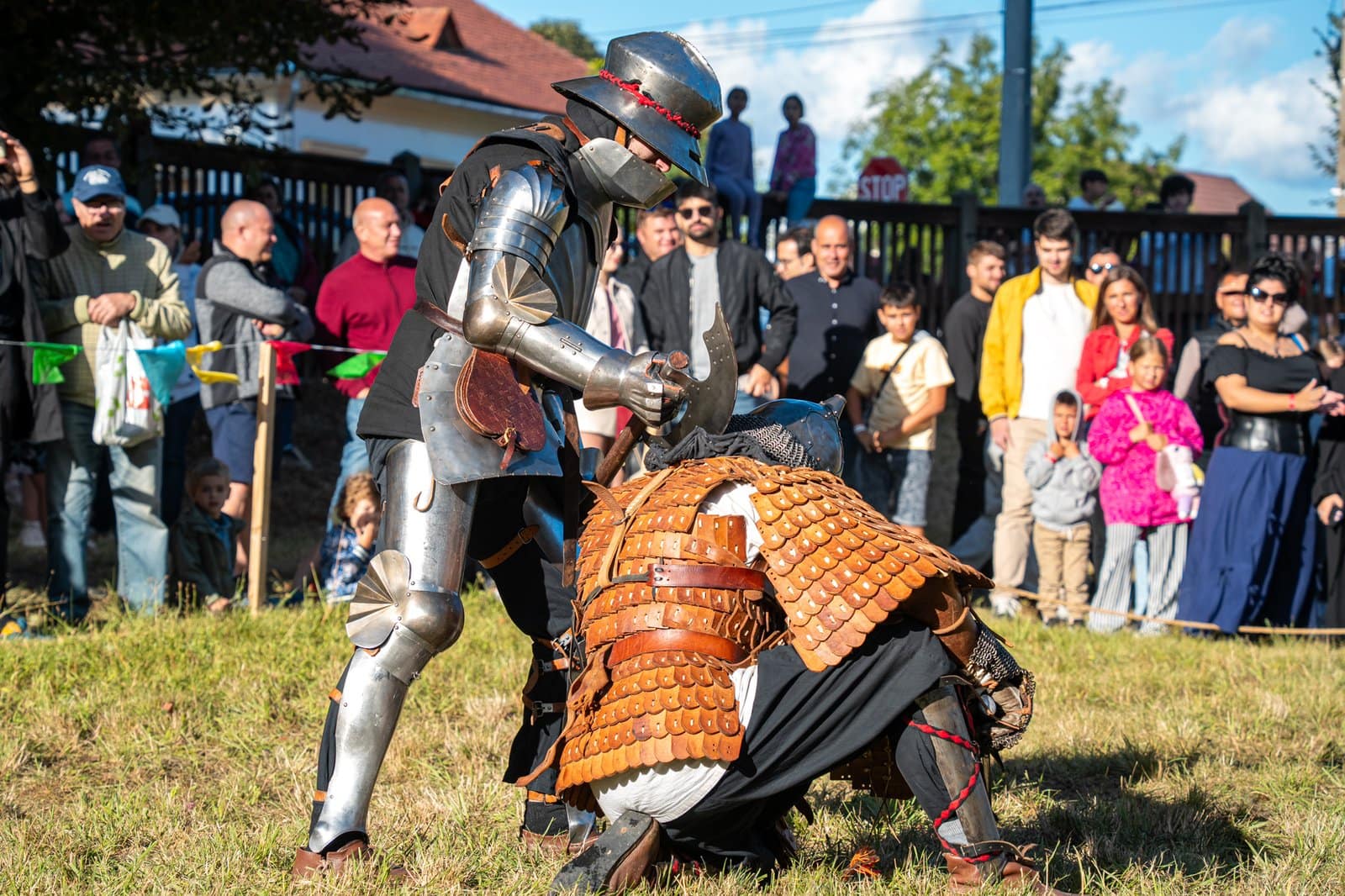
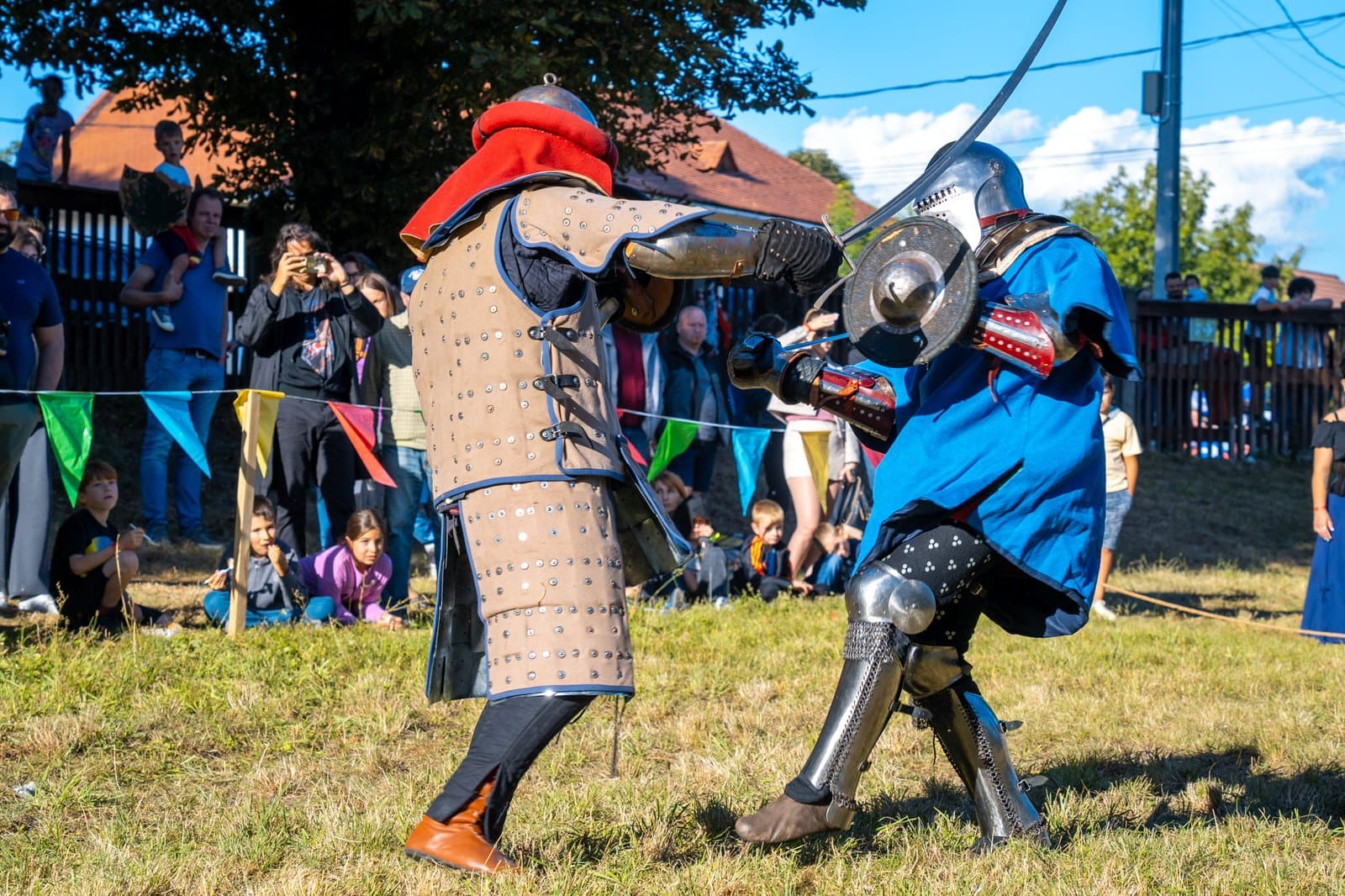
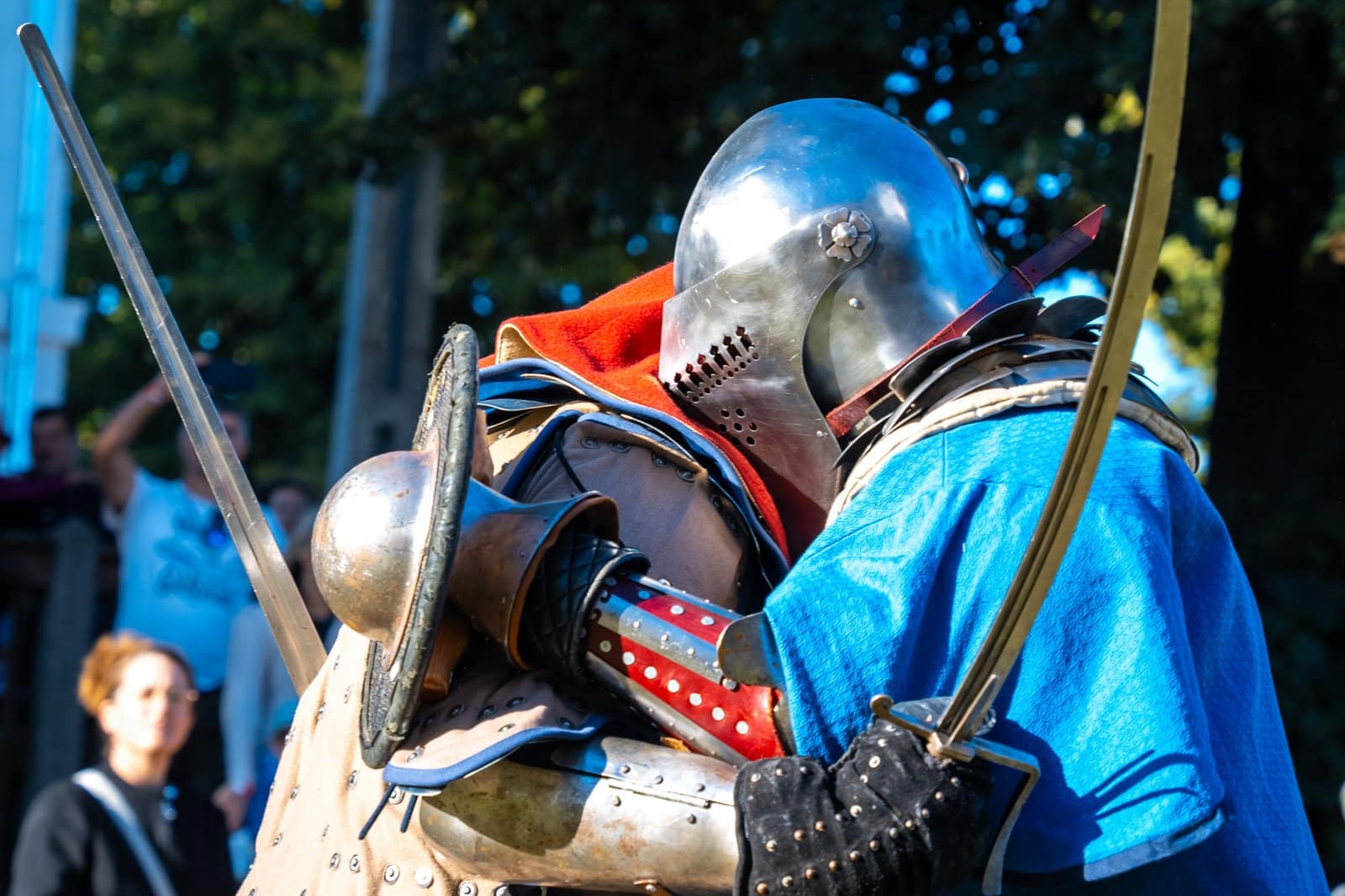
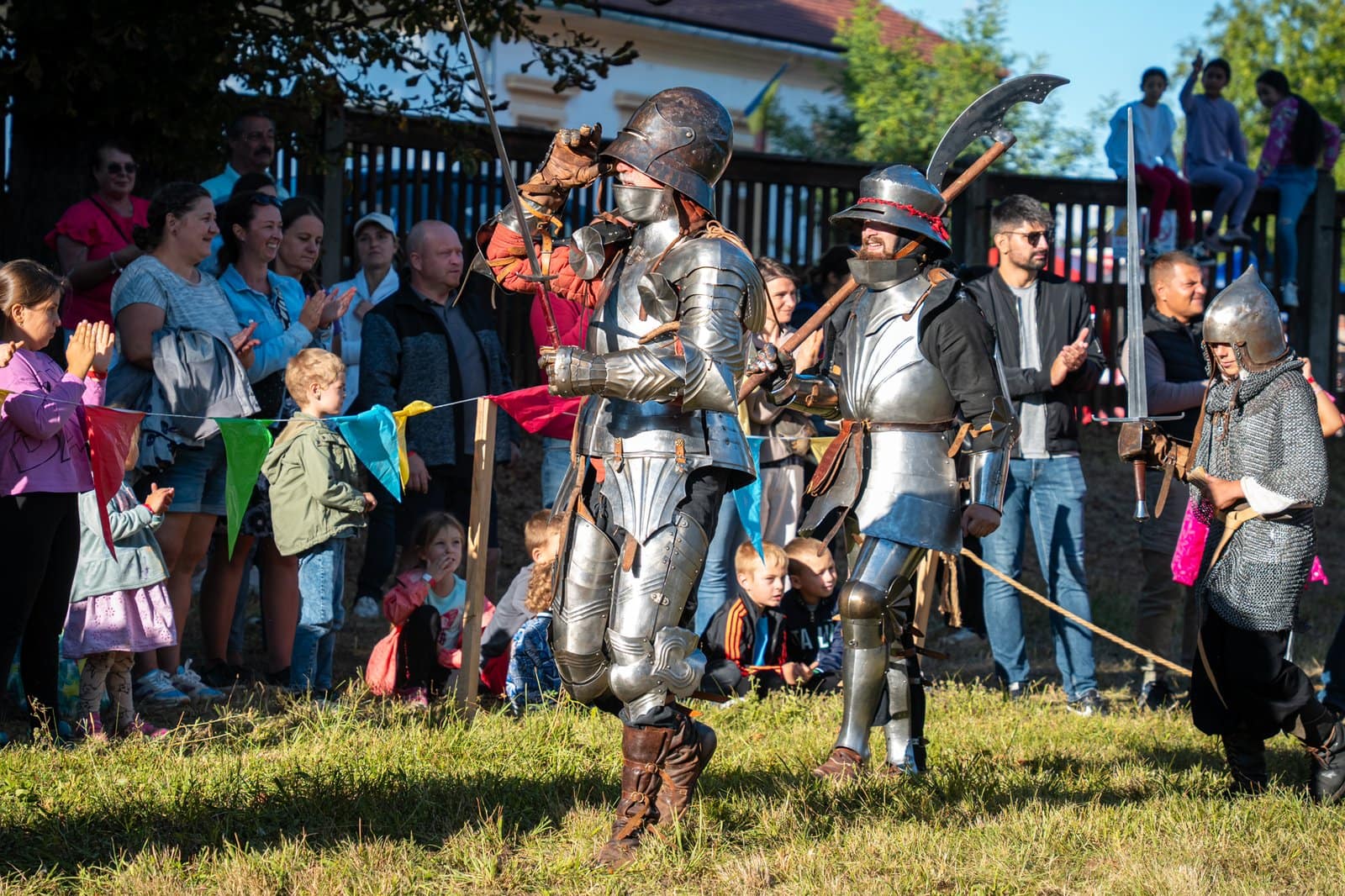
- Full-scale medieval battle reenactments featuring Romanian and international historical groups.
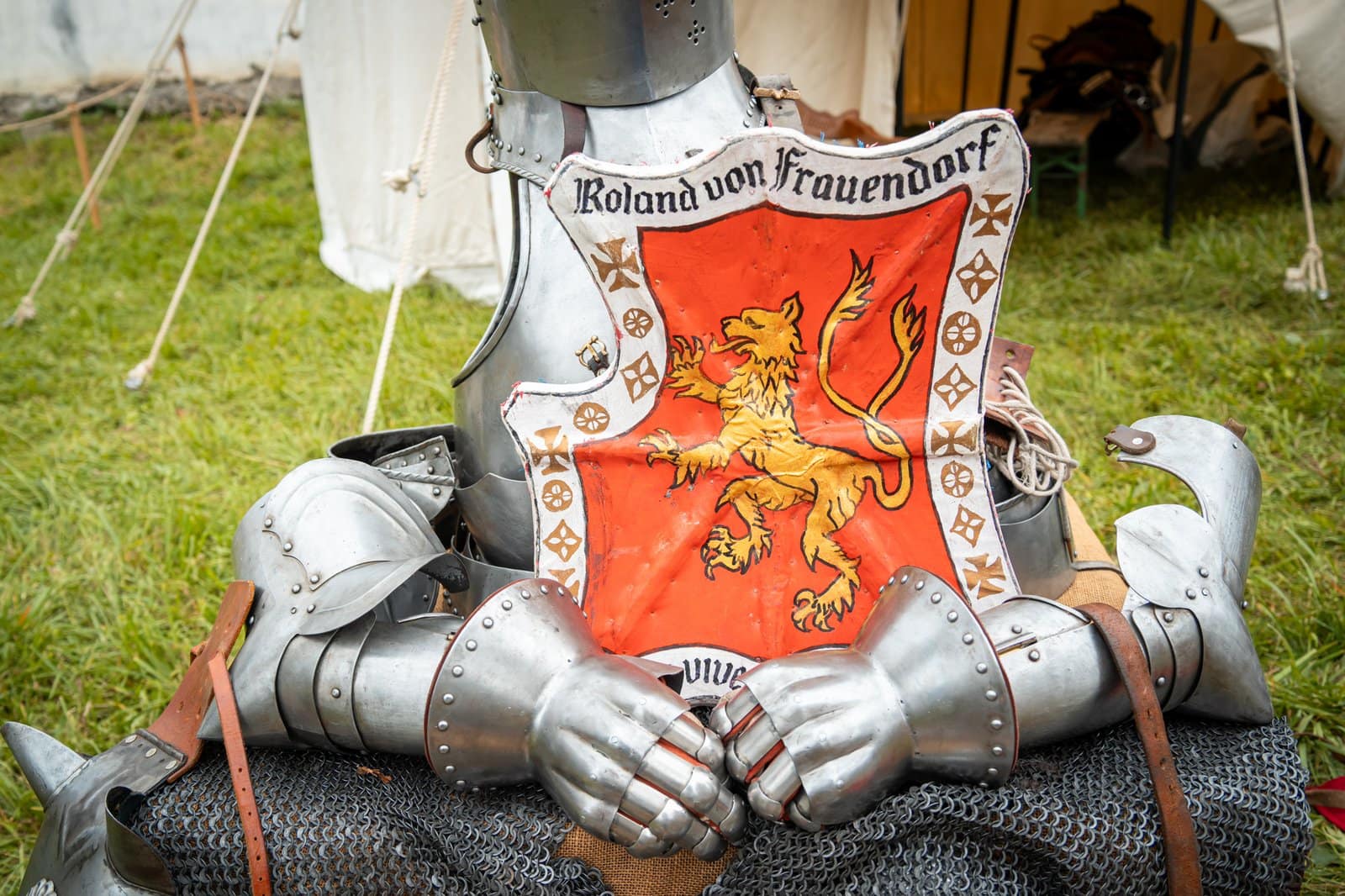
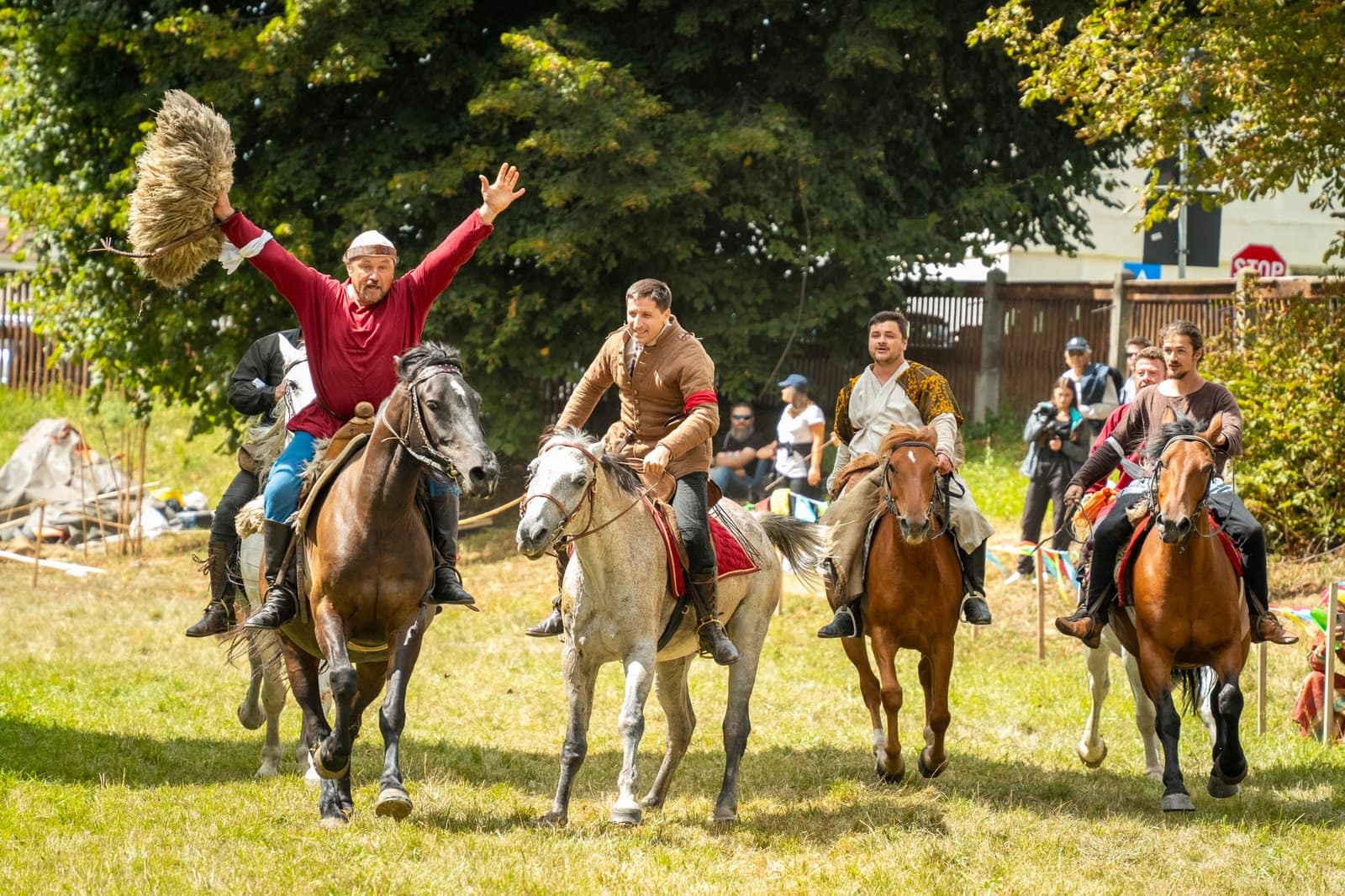
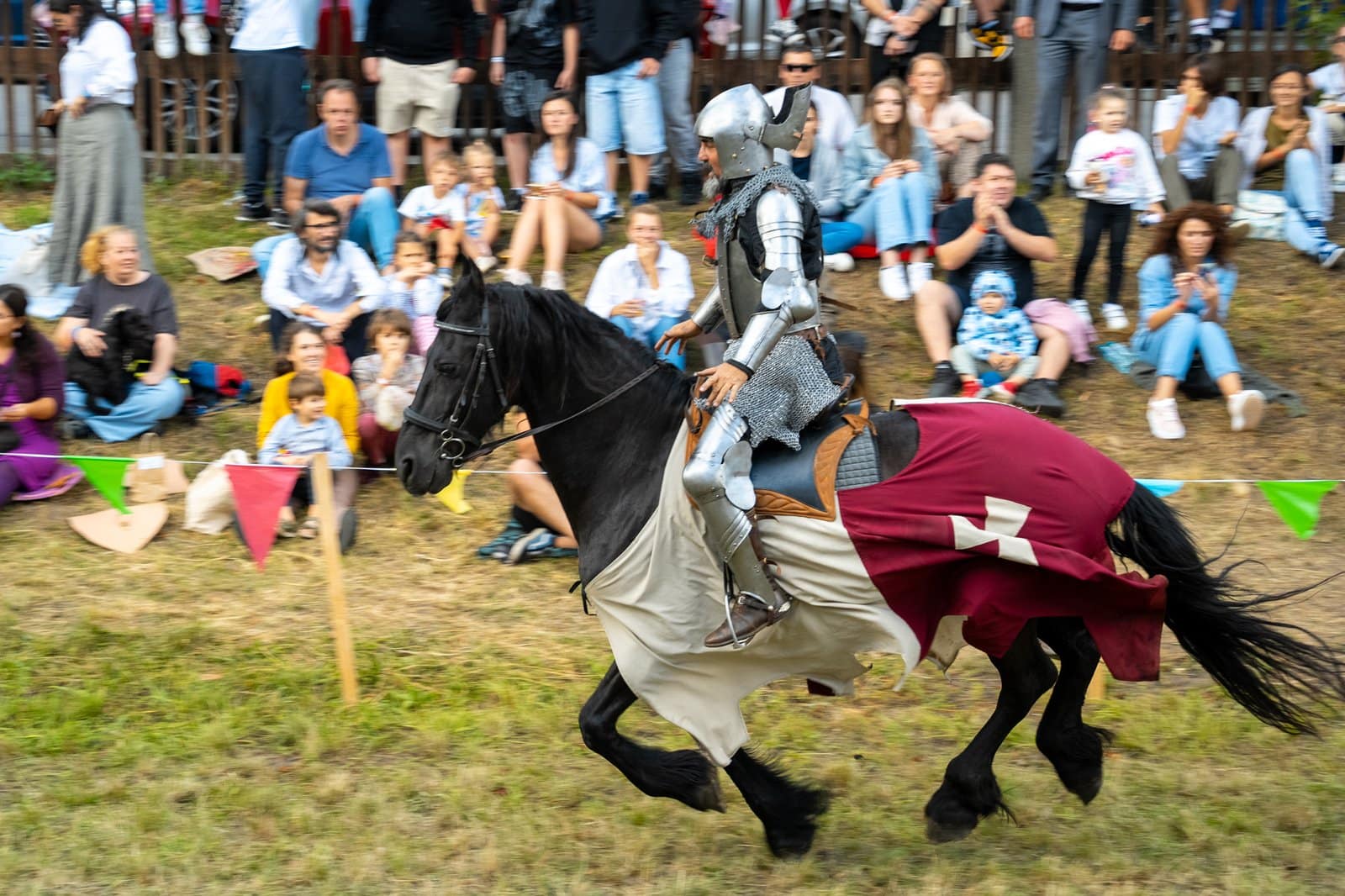
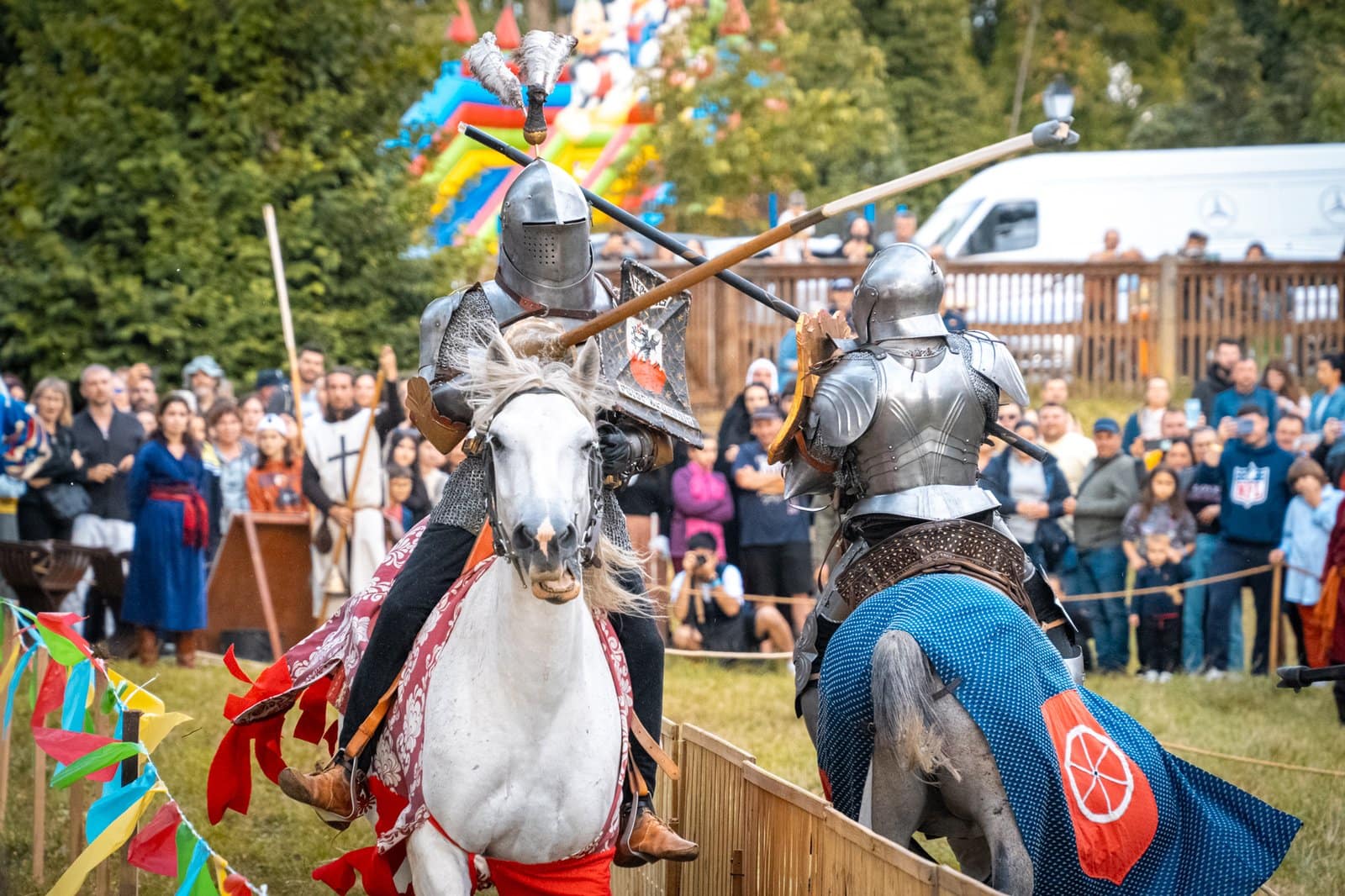
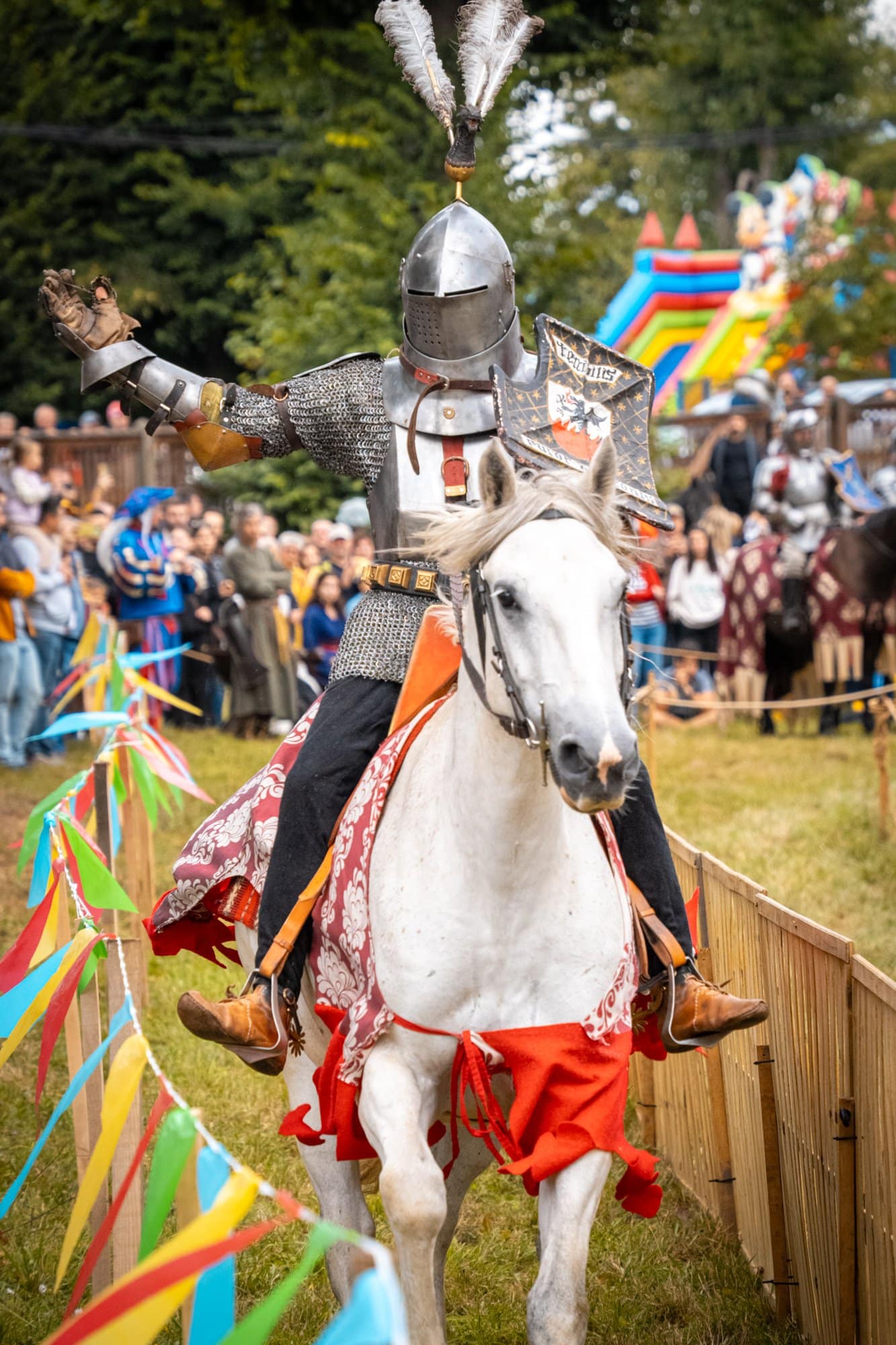
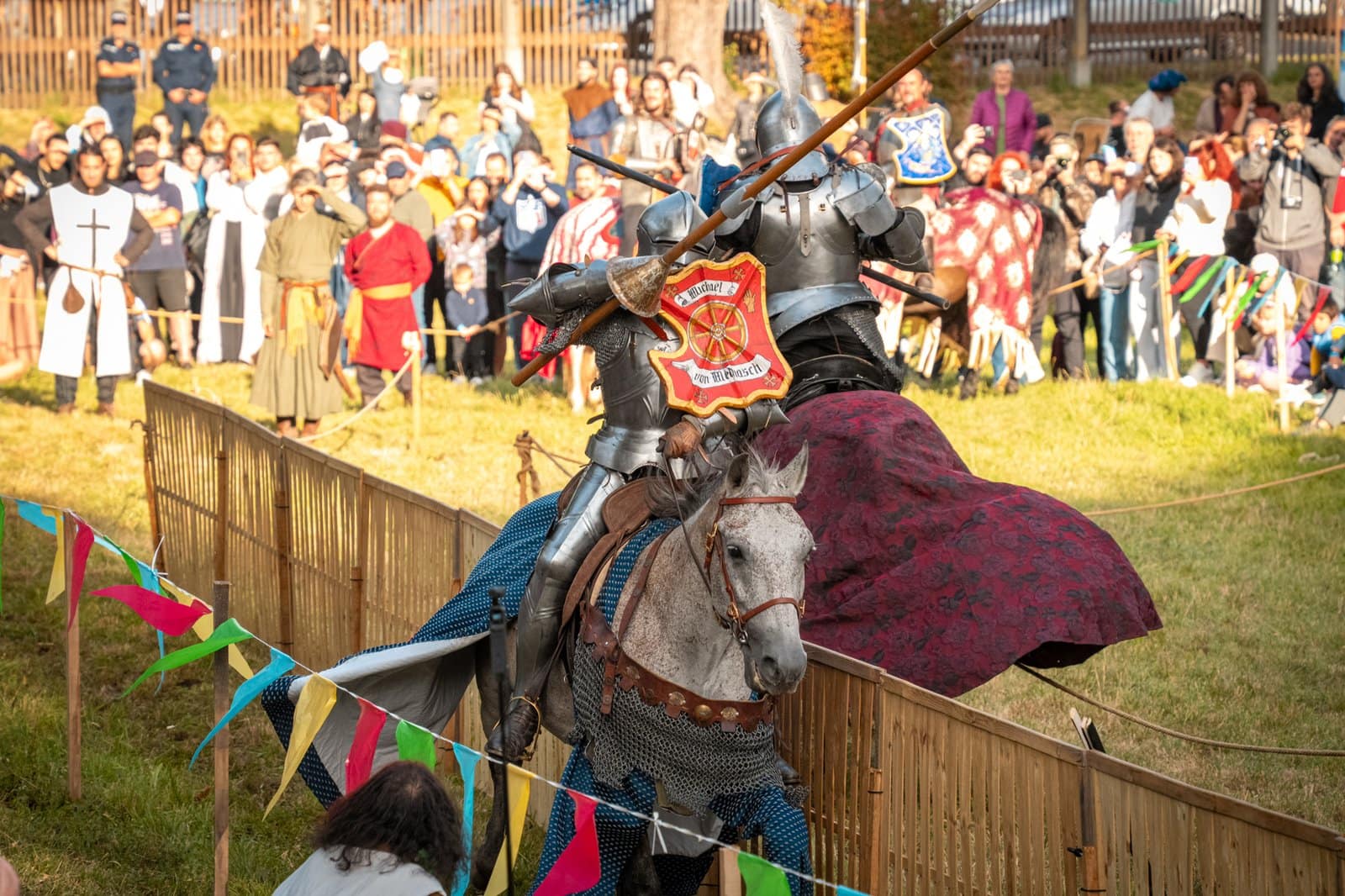
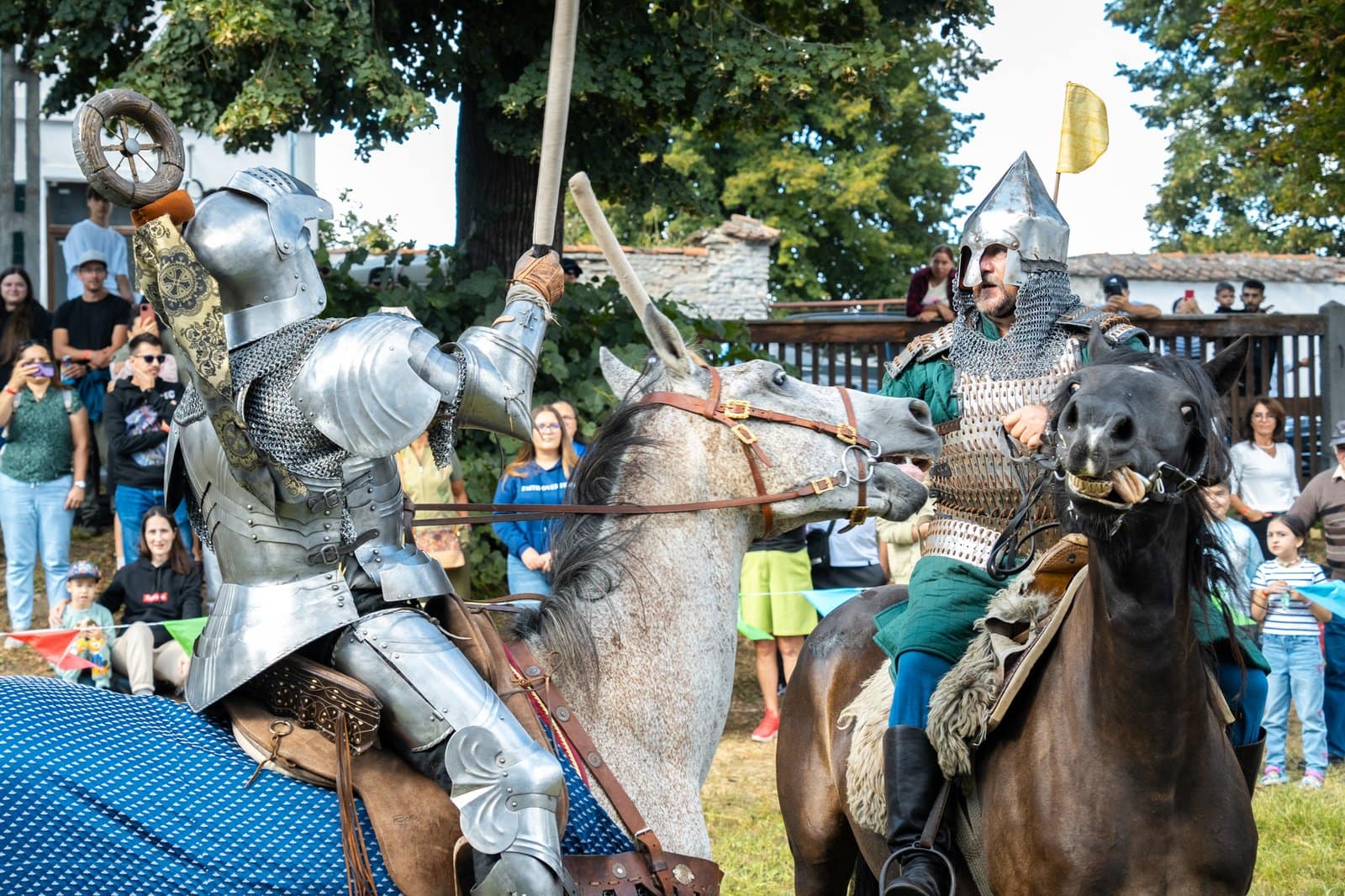
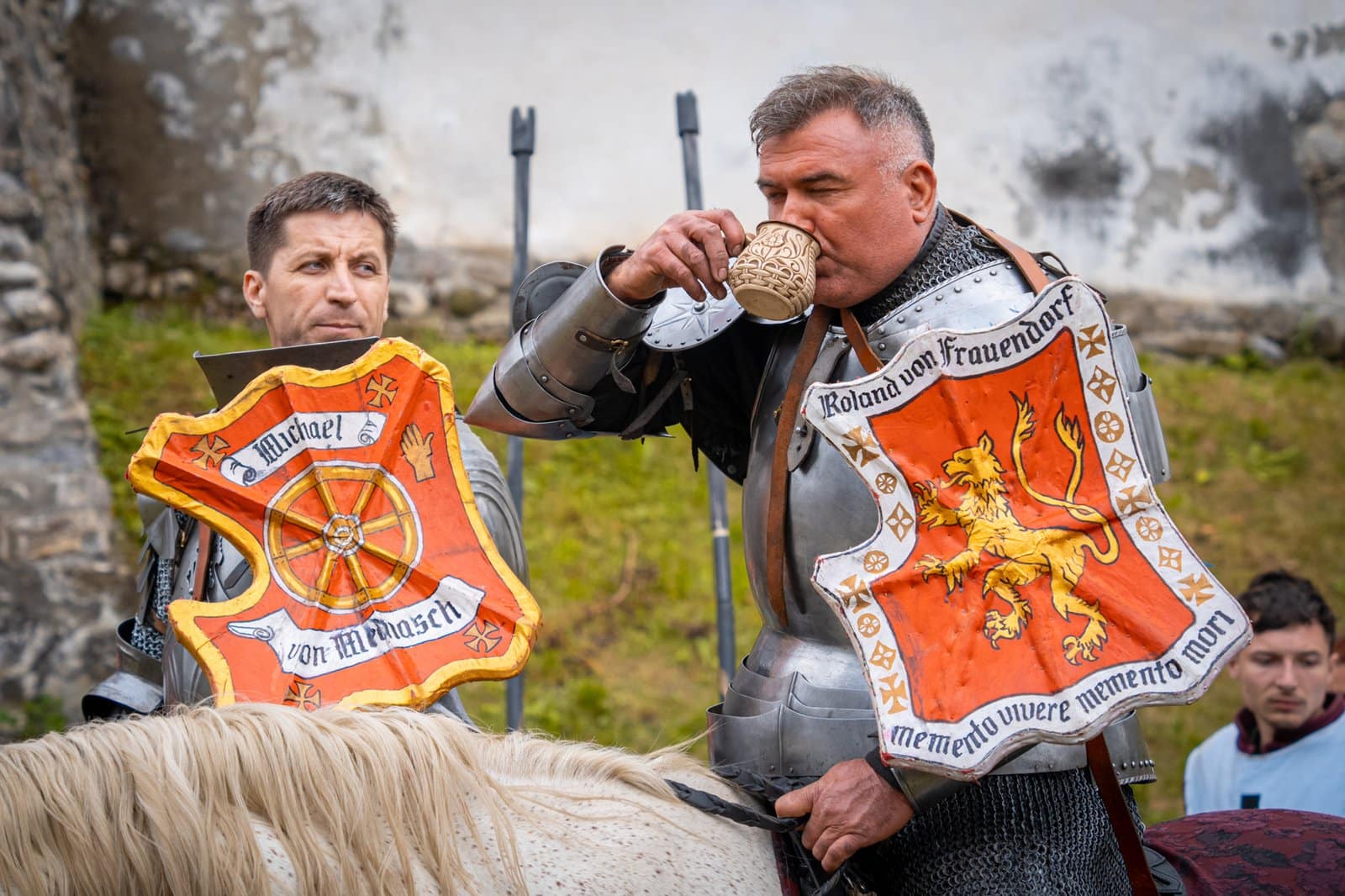
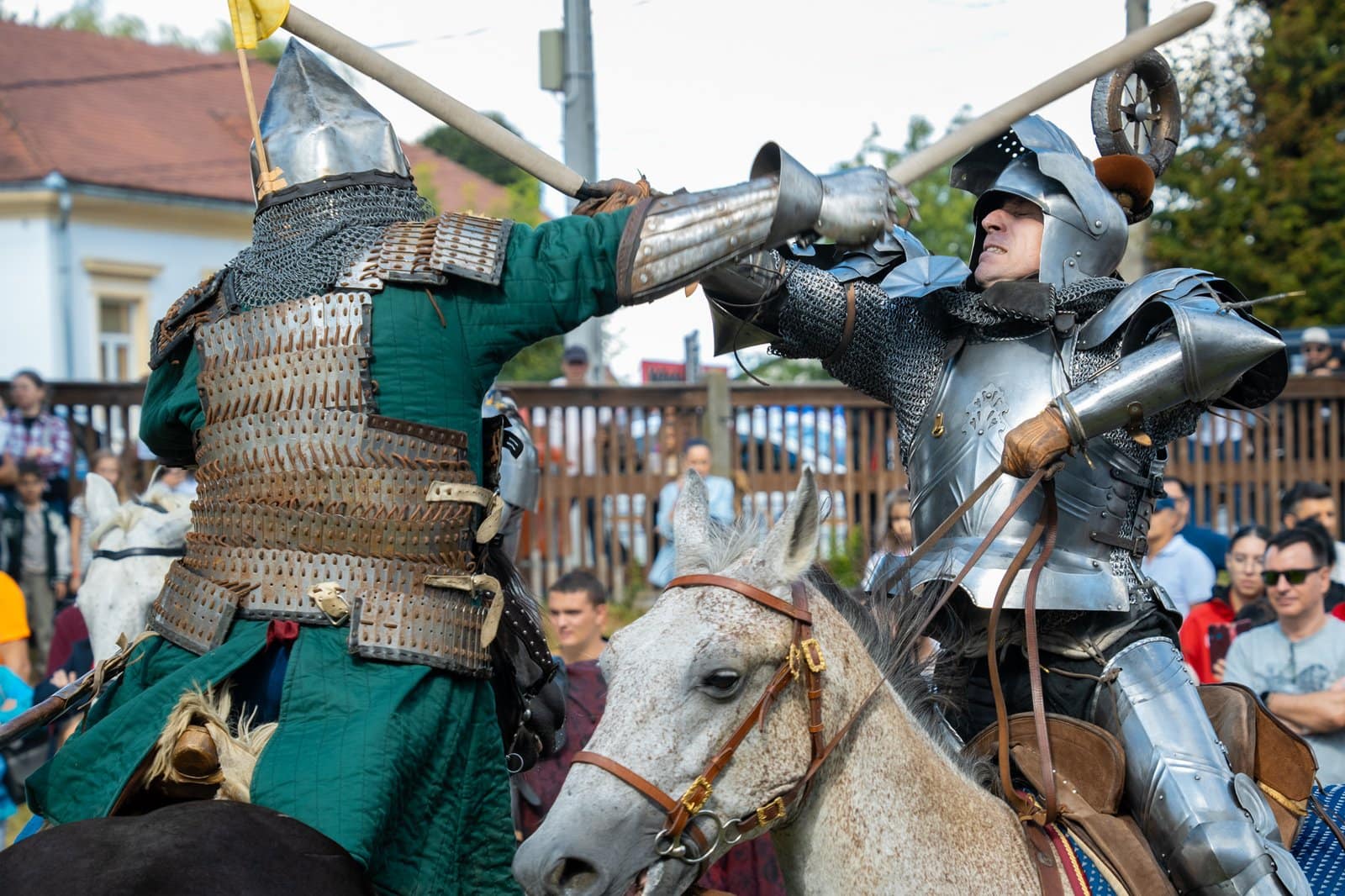
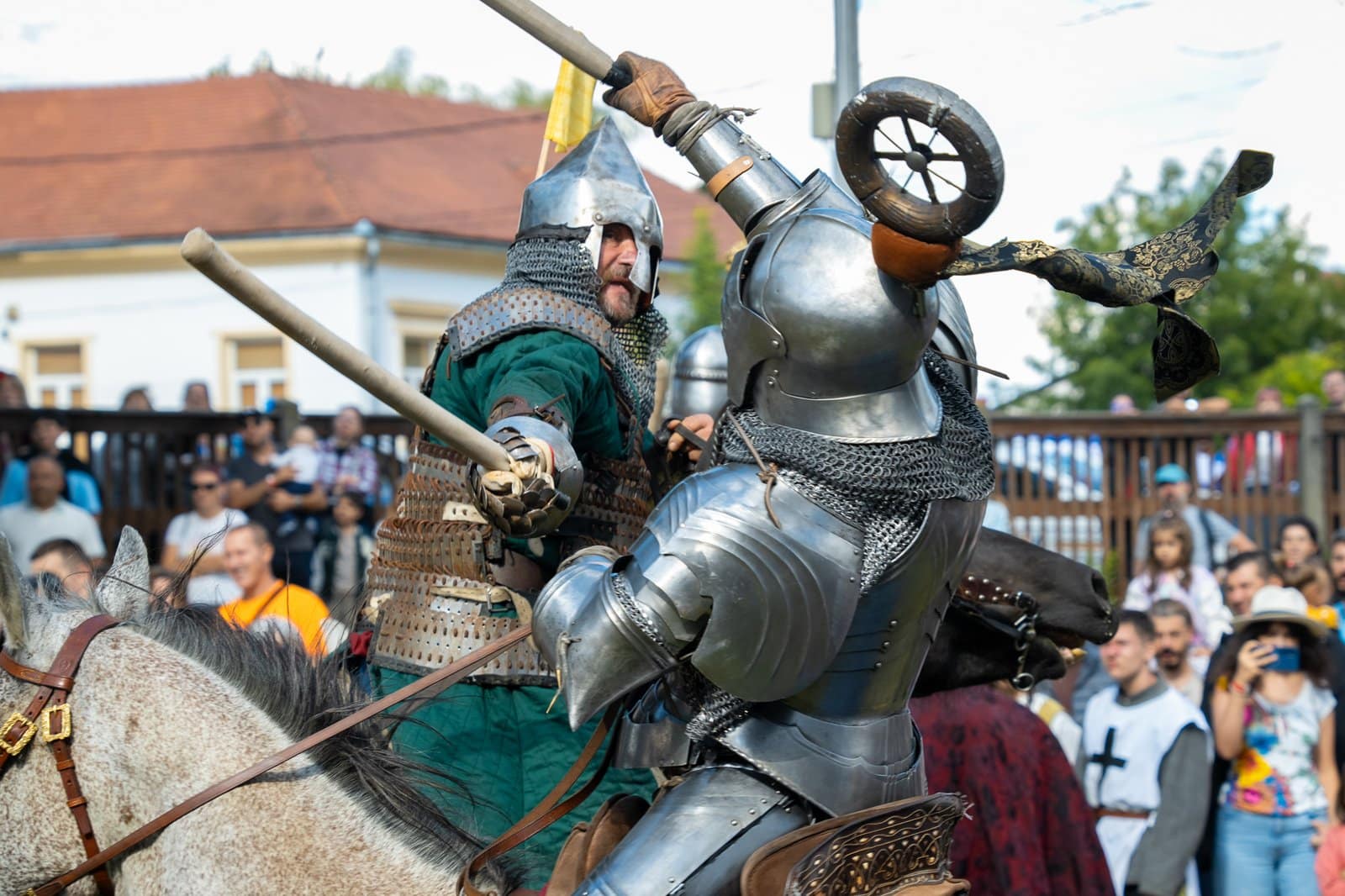
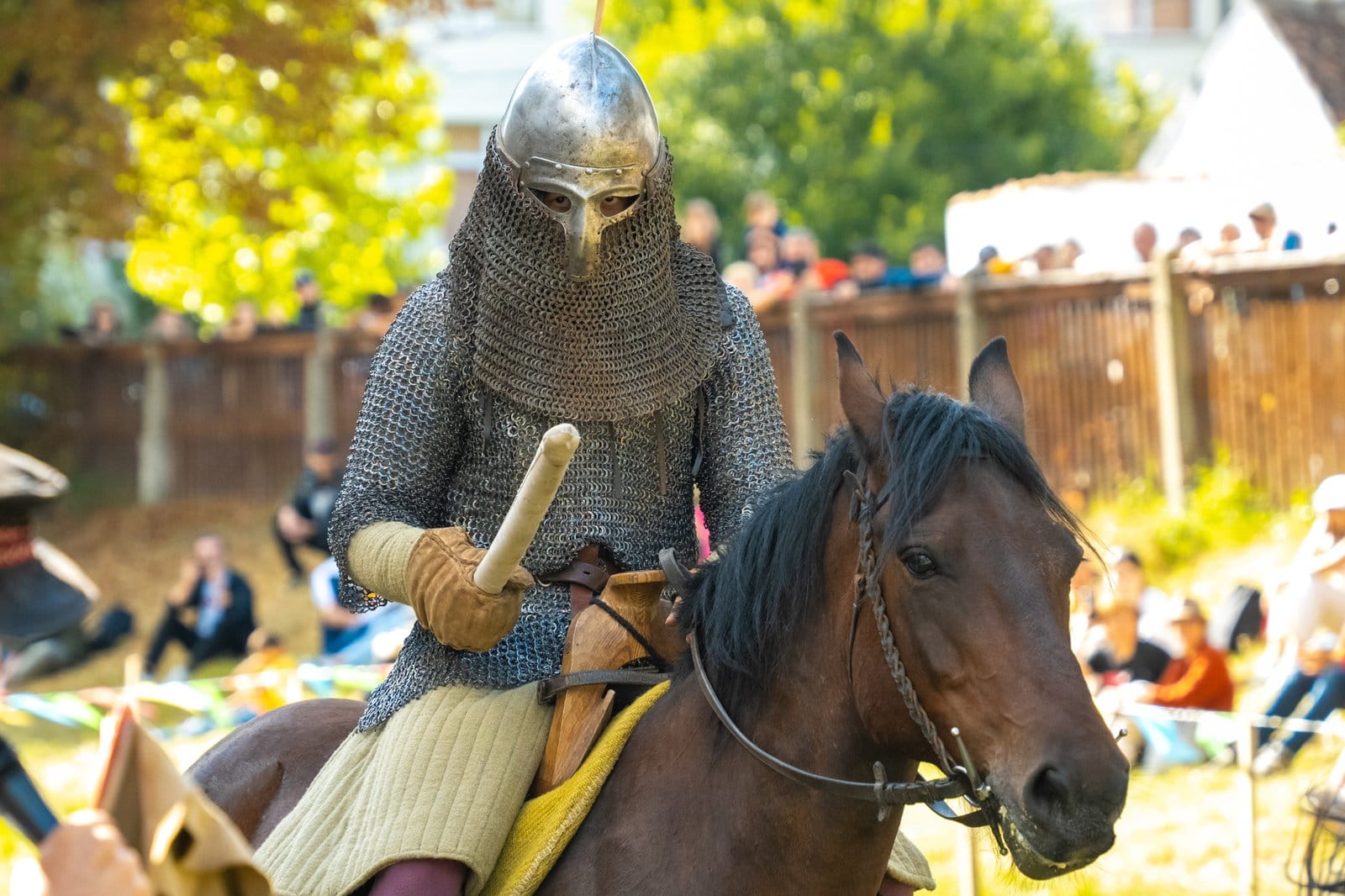
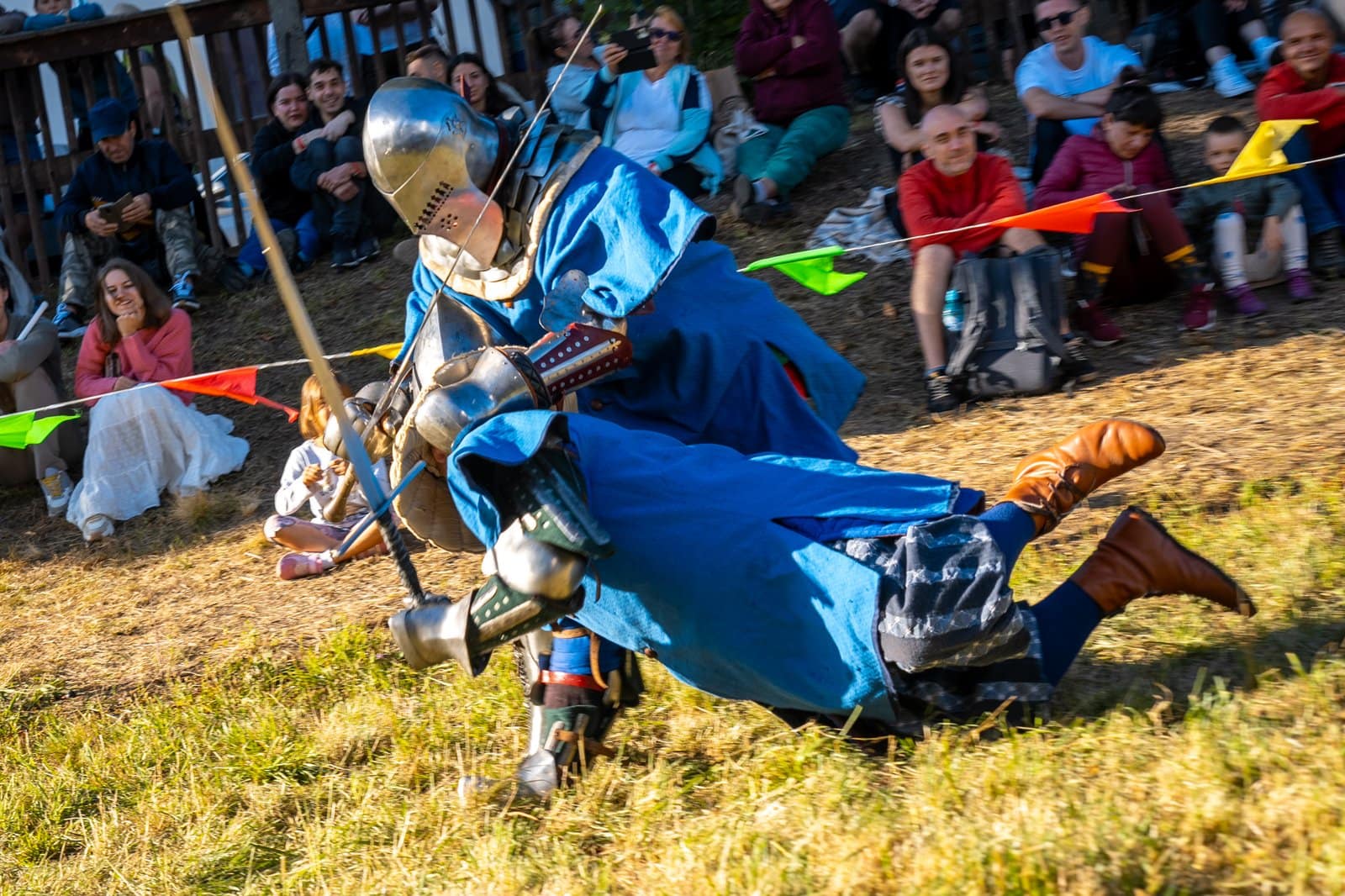
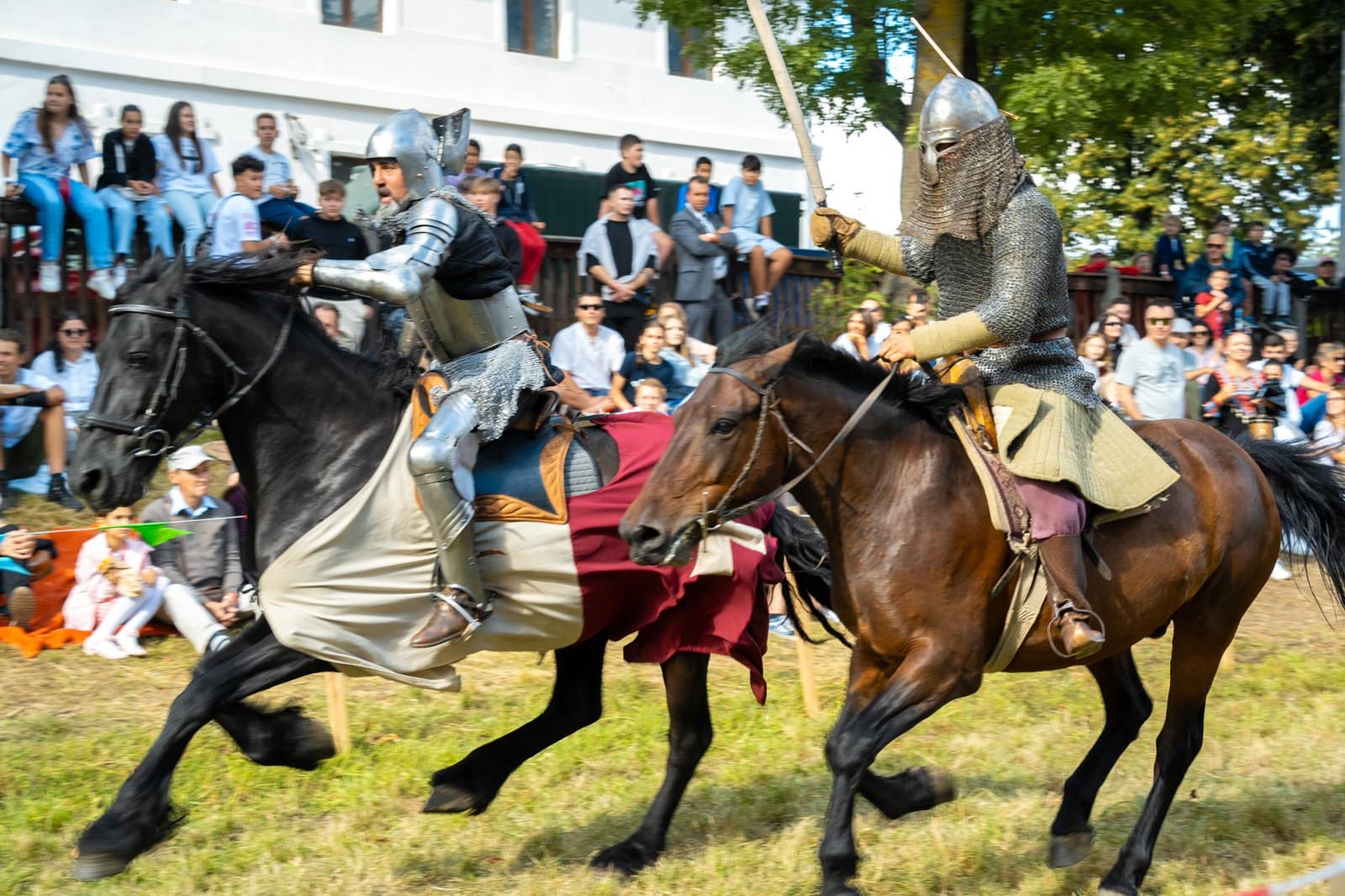
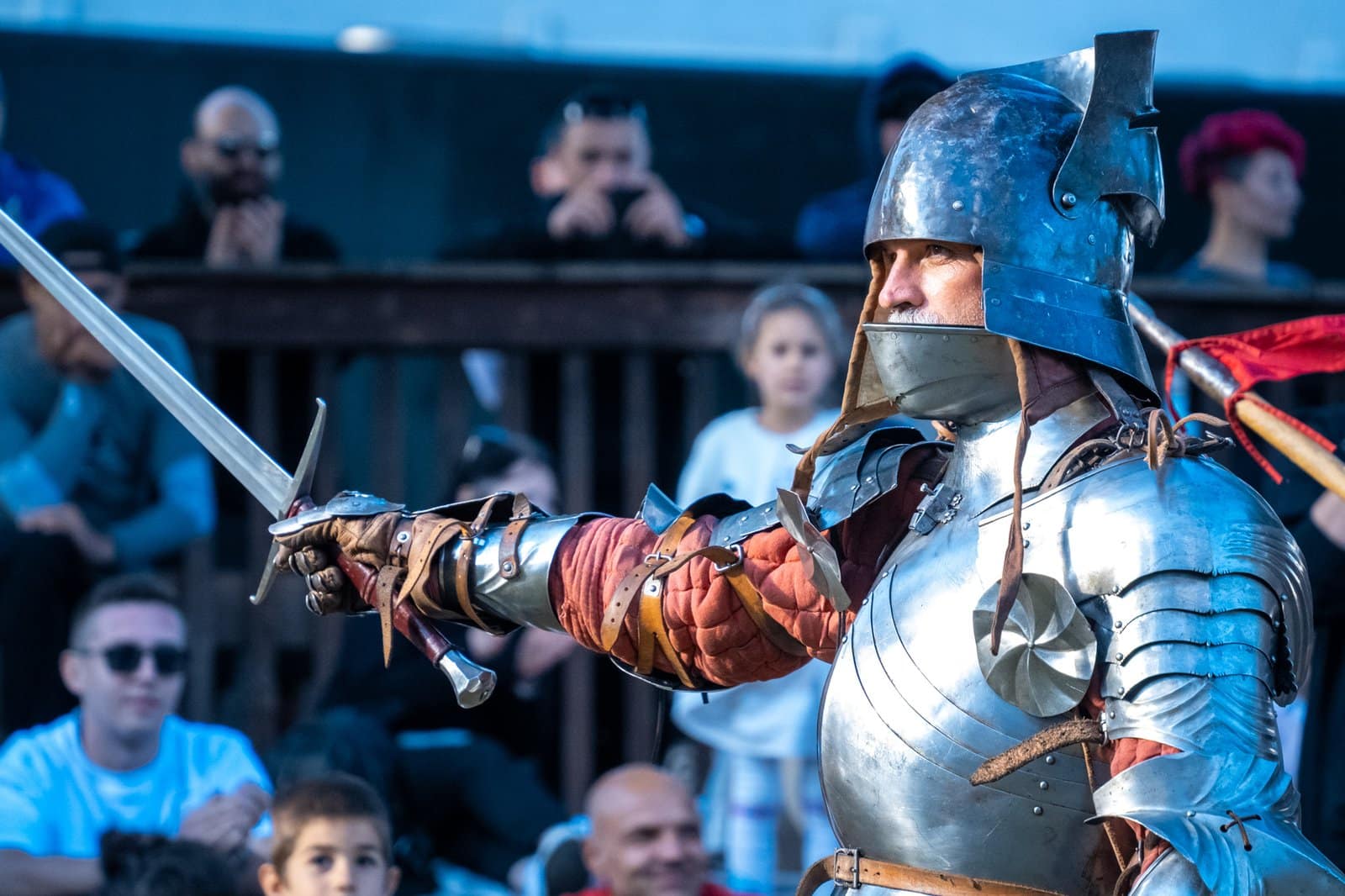
- Knight tournaments and mounted combat demonstrations inspired by medieval martial traditions.
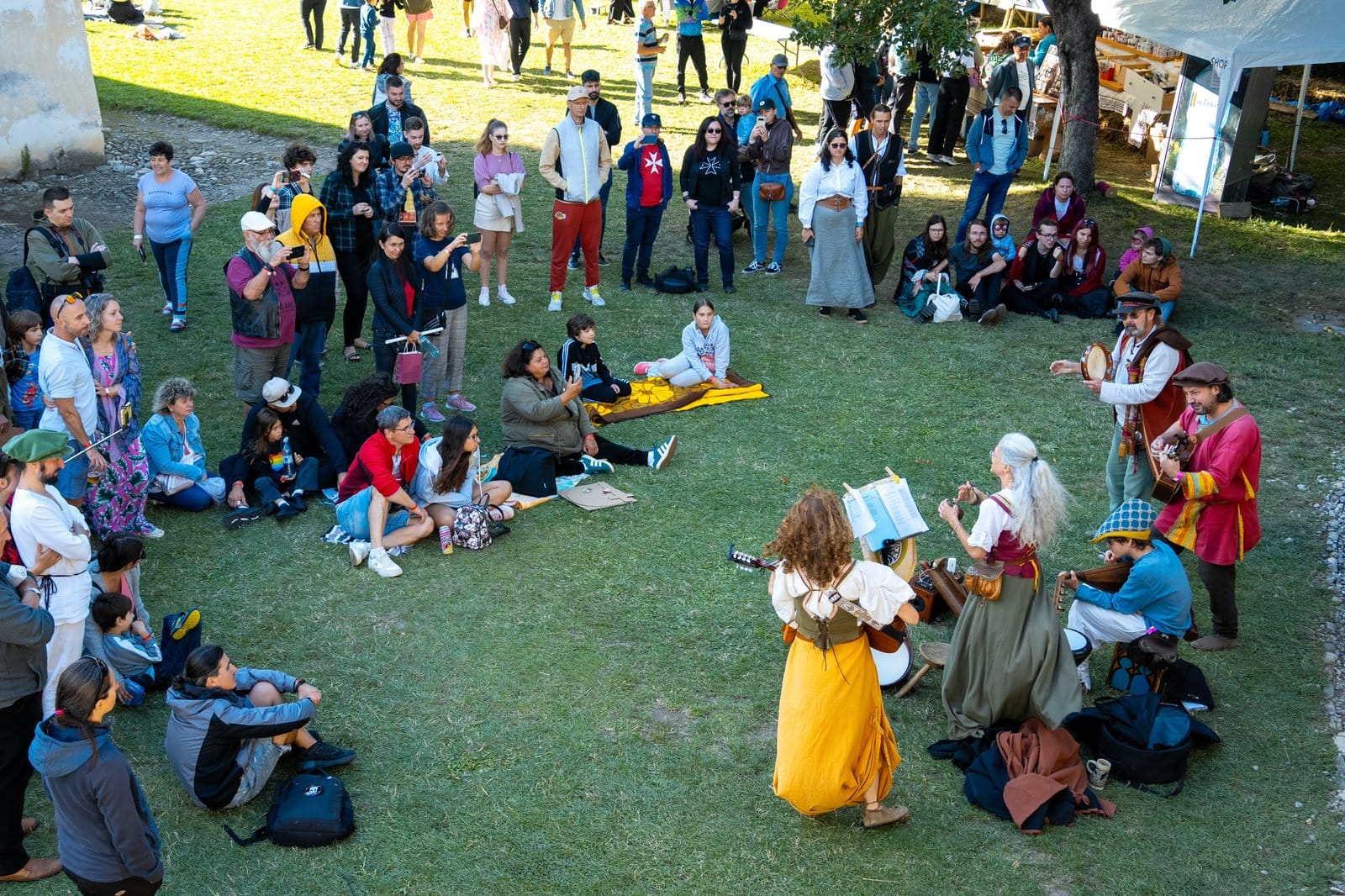
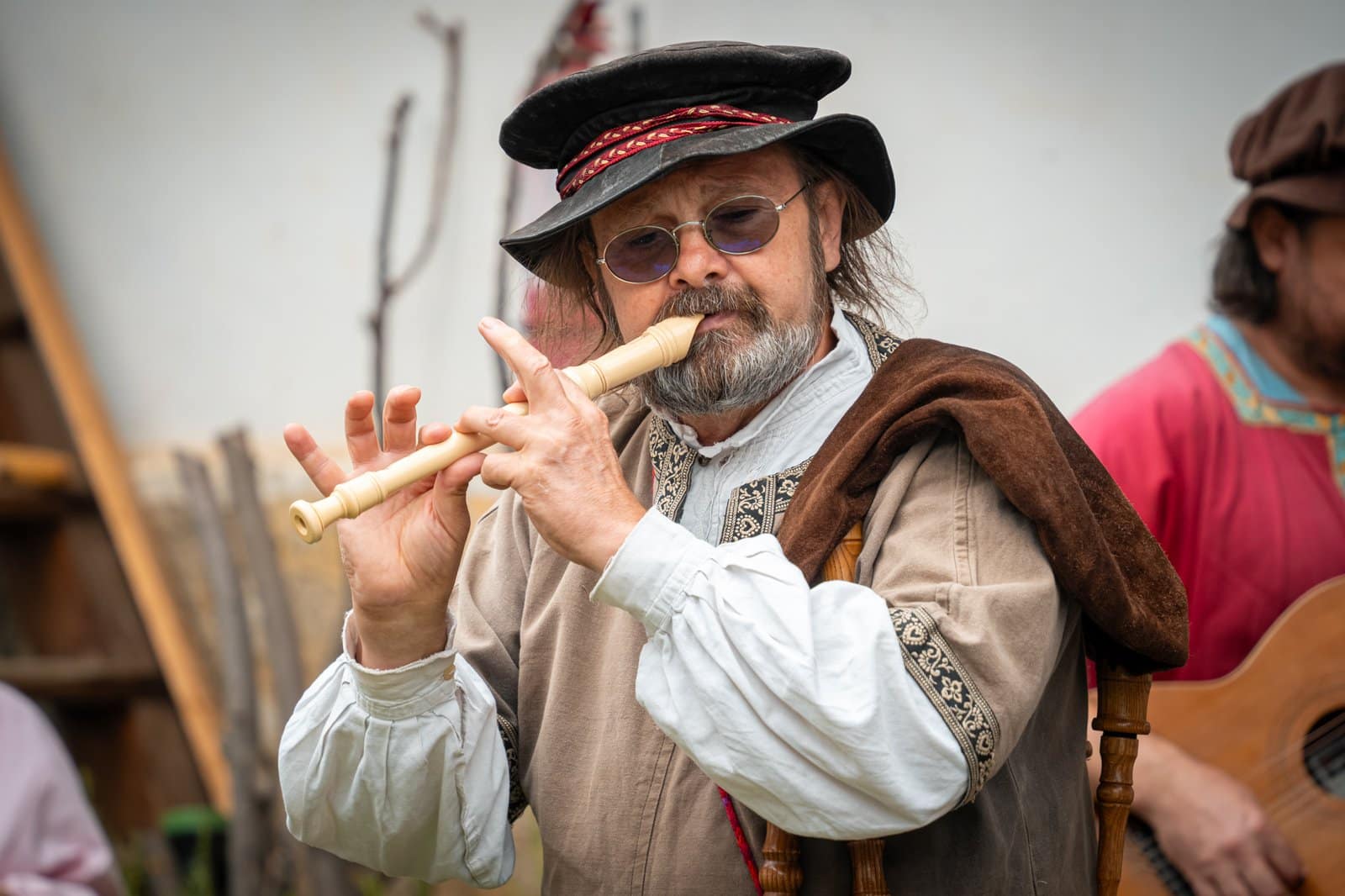
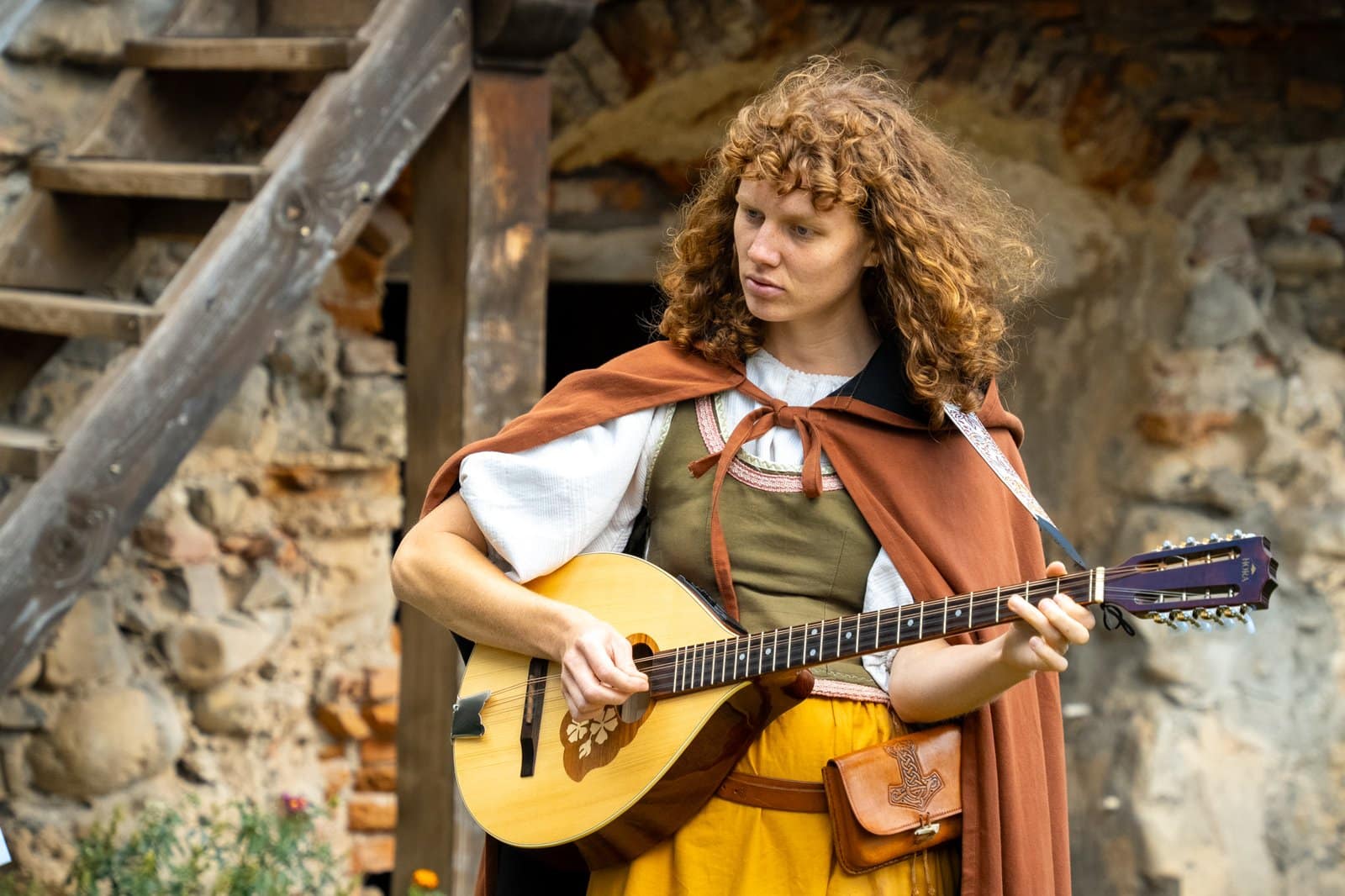
- Medieval music and dance performances throughout the fortress grounds.
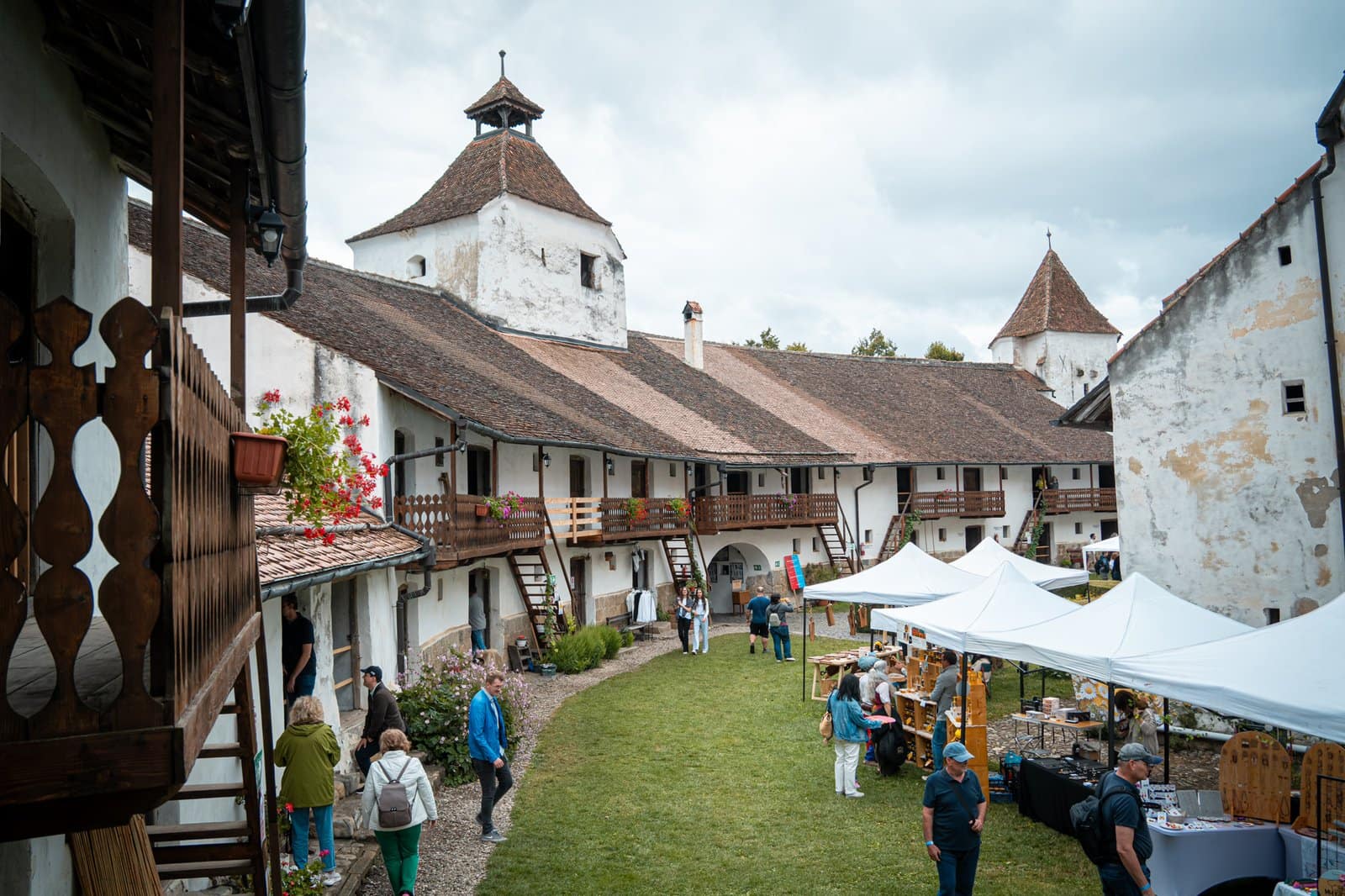
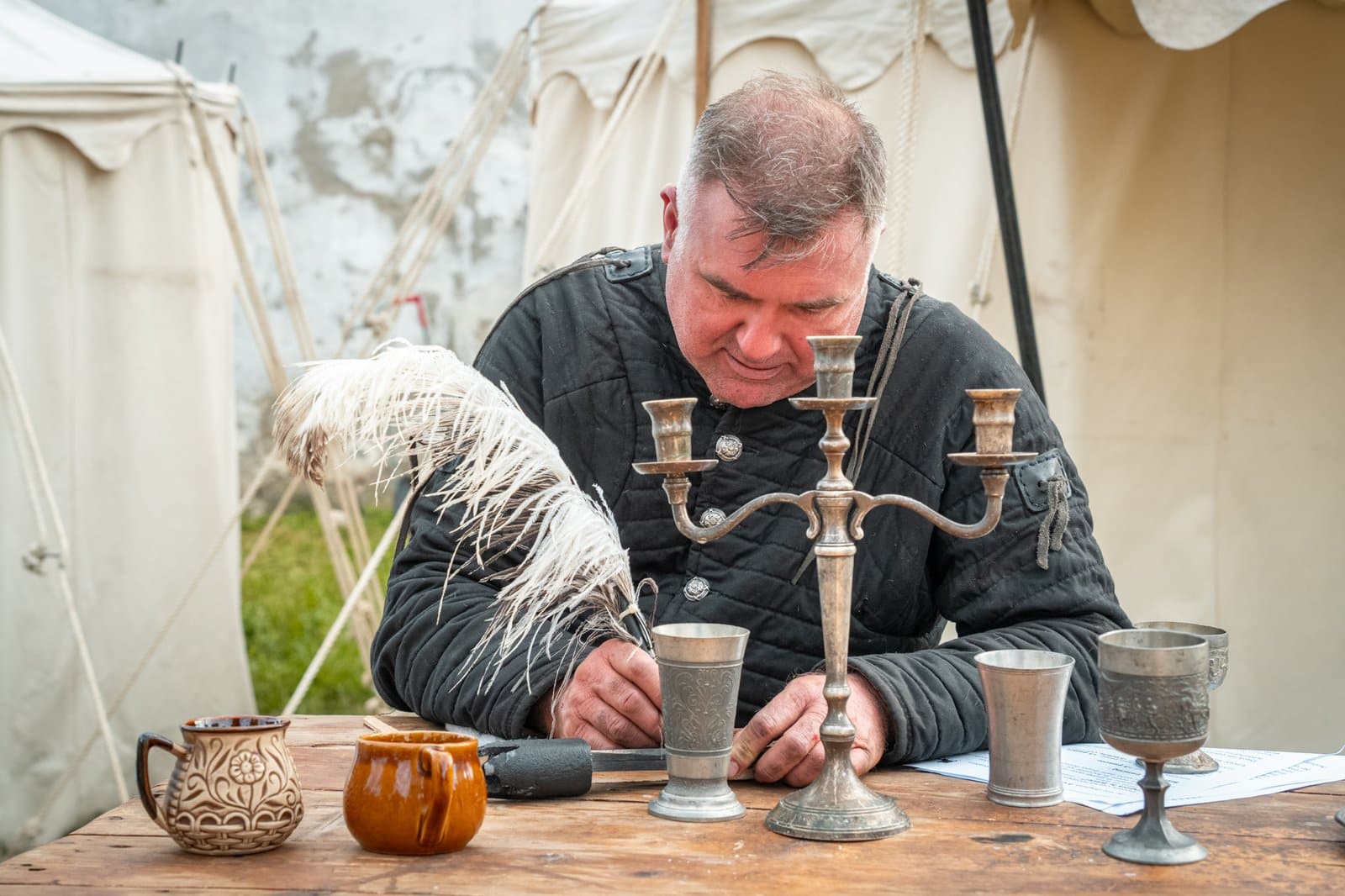
- Traditional craft workshops showcasing historical skills such as blacksmithing, woodworking, pottery, and textile crafts.
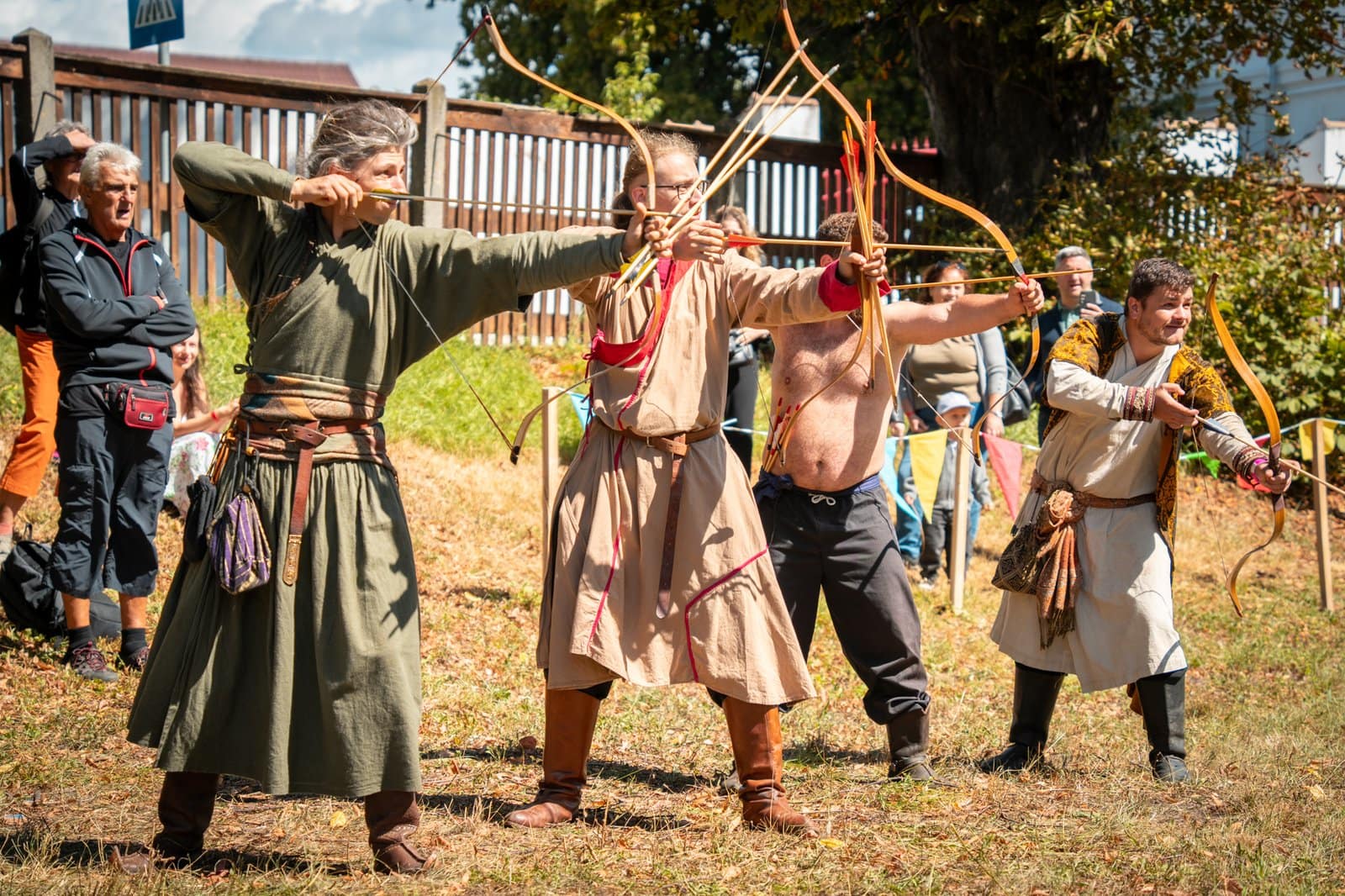
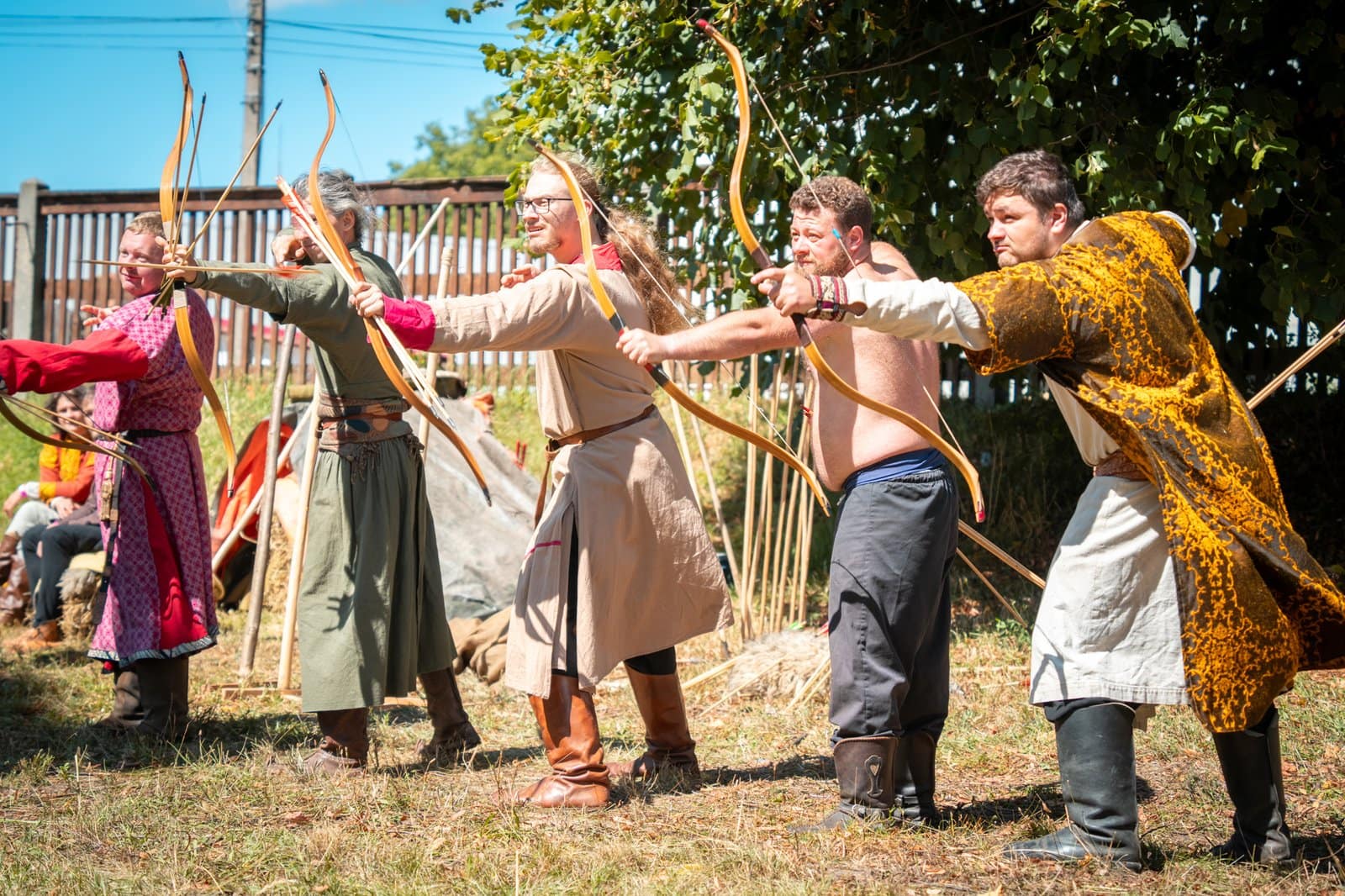
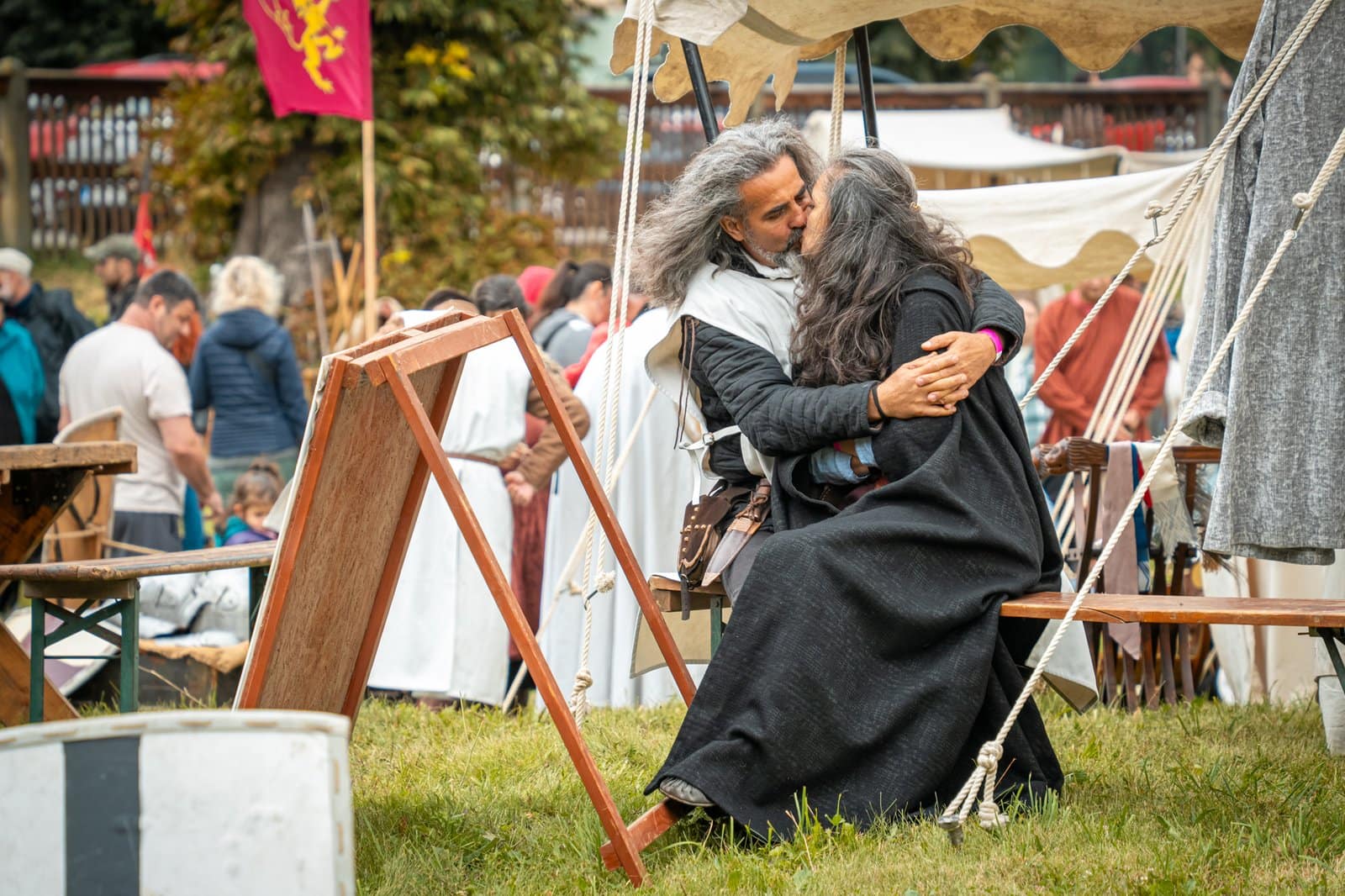
- Archery activities and interactive medieval encampments illustrating daily life on the frontier.
- Regional food and drink inspired by local traditions, alongside artisan and producers' markets.
Media Gallery
Event Chronology
Beyond its two-day format, Teutonic Fest has no fixed chronology that applies to every edition, as the sequence of activities changes from year to year according to the organizers’ program.
For the most accurate event schedule, visitors are encouraged to check our official website, where the full program is published approximately 1–2 months before the festival.
Despite these yearly variations, the festival generally follows a gradual progression throughout the day. Morning activities usually focus on quieter experiences, such as craft demonstrations, historical presentations, and medieval camp displays. As the day progresses and more visitors gather, the program typically moves toward larger public events, including combat demonstrations, knight tournaments, and other dynamic performances.
Origin & Significance
The roots of Teutonic Fest are connected to the medieval history of Hărman and the wider Burzenland (Țara Bârsei) region.
In the early 13th century, this territory was part of the Kingdom of Hungary and formed a vulnerable southeastern frontier exposed to incursions from nomadic peoples such as the Cumans.
To strengthen control over this borderland, the Hungarian Crown encouraged the arrival of German-speaking settlers, who became known as the Transylvanian Saxons, and later invited the Teutonic Order in 1211 to reinforce military defenses. The order established fortifications and military structures in Burzenland, contributing to the medieval development of settlements such as Honigberg (Hărman).
The Teutonic presence in the area was short: they were expelled from the Kingdom of Hungary in 1225 after seeking greater local autonomy.
However, the German-speaking communities that remained in the region, later known as the Transylvanian Saxons, continued to develop the settlements and fortifications established during this period. Hărman Fortified Church became one of the region’s important medieval monuments, preserving architectural elements connected to centuries of religious, defensive, and community life.
Today, Teutonic Fest uses the historical setting of Hărman to promote this medieval heritage through reenactments, crafts, performances, and educational activities. The festival connects the Teutonic period, the development of the fortified settlement, and the later evolution of the Saxon community that shaped the region’s cultural heritage.
Tickets & Access Guide
Access to Teutonic Fest requires a ticket, available offline at the entrance to the courtyard of Hărman Fortified Church, where the festival takes place.
Parking is available in a large designated area directly at the entrance to Hărman Fortified Church. During the festival, the parking area usually fills up by the later part of the day, so arriving in the morning is recommended for visitors who plan to come by car.